Aptos
Aptos is a Layer 1 blockchain whose smart contracts are written in the Move language; its coin, APT, pays gas fees and is used for staking and governance.
What Is Aptos?
Aptos is a Layer 1 blockchain whose smart contracts are written in Move, a language first developed for the Diem project. It was built by former members of that project and aims at high throughput by executing transactions in parallel. Its coin, APT, pays gas fees and is used for staking and governance.
Aptos is neither an EVM chain nor a UTXO chain: assets are stored as resources inside an account. Ethereum support on a hardware wallet therefore says nothing about Aptos. The device needs its own Aptos app or integration.
That support is either native, in the manufacturer's own app, or comes through a third-party Aptos wallet that uses the device as a signer. Simple transfers are easy to read on the device. Complex contract calls may not be fully decoded on its screen, and then the signer is trusting the app. Aptos wallets can simulate a transaction to preview its effect, which helps, but the preview appears on the computer or phone and not on the device.
APT can be delegated to validators. Staking comes with a lock-up period, and rewards depend on the validator's performance and commission. Check the manufacturer's supported-assets list for APT, Aptos tokens and staking before buying, and send a small test transaction first.
A blockchain is a shared, append-only record of transactions kept by many independent computers, so no single party can rewrite it.
Read full definition: BlockchainA smart contract is a program stored on a blockchain that runs exactly as written when a transaction calls it.
Read full definition: Smart ContractA transaction fee is a cost paid to process transactions on a blockchain network. It compensates miners or validators for confirming and adding transactions to the blockchain.
Read full definition: Transaction FeeStaking locks or delegates proof-of-stake coins to help secure a network in exchange for rewards.
Read full definition: StakingA DAO (Decentralized Autonomous Organization) is a blockchain-based entity governed by smart contracts and token holder votes, enabling decentralized decision-making without central authority.
The EVM (Ethereum Virtual Machine) runs smart contracts on Ethereum and on compatible chains, which share its address format and tooling.
Read full definition: EVMUTXO (Unspent Transaction Output) is a unit of cryptocurrency from a previous transaction that remains unspent and serves as input for new transactions in blockchains like Bitcoin.
Read full definition: UTXOEthereum is a decentralized blockchain platform that enables smart contracts and decentralized applications (dApps). Its native cryptocurrency is Ether (ETH).
Read full definition: EthereumA hardware wallet is a dedicated device that keeps private keys offline and signs transactions internally, so the keys never reach an internet-connected computer or phone.
A validator is a node in a proof-of-stake blockchain that stakes cryptocurrency to verify transactions, propose blocks, and secure the network.
Read full definition: ValidatorA token is a digital asset on a blockchain that represents value, ownership, utility, or access rights. Examples include ERC-20 tokens on Ethereum.
Read full definition: TokenA test transaction is a small transfer sent before a large one to confirm the address, network and wallet setup work as expected.
Read full definition: Test TransactionReal-World Examples
Example 1: An owner of a hardware wallet that handles Ethereum assumes it will also hold APT. The manufacturer's supported-assets list shows it does not, so she chooses a device with Aptos support before withdrawing from the exchange.
Example 2: A user delegates APT to a validator and confirms on the hardware wallet. Because the stake is locked for a period, he keeps part of his balance undelegated for fees and transfers.
A hardware wallet is a dedicated device that keeps private keys offline and signs transactions internally, so the keys never reach an internet-connected computer or phone.
Ethereum is a decentralized blockchain platform that enables smart contracts and decentralized applications (dApps). Its native cryptocurrency is Ether (ETH).
Read full definition: EthereumA validator is a node in a proof-of-stake blockchain that stakes cryptocurrency to verify transactions, propose blocks, and secure the network.
Read full definition: ValidatorHardware wallets that support Aptos
Browse wallets grouped by this feature




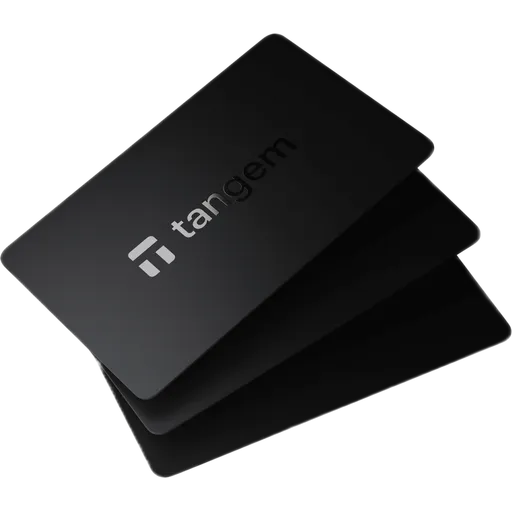
−32%via this link

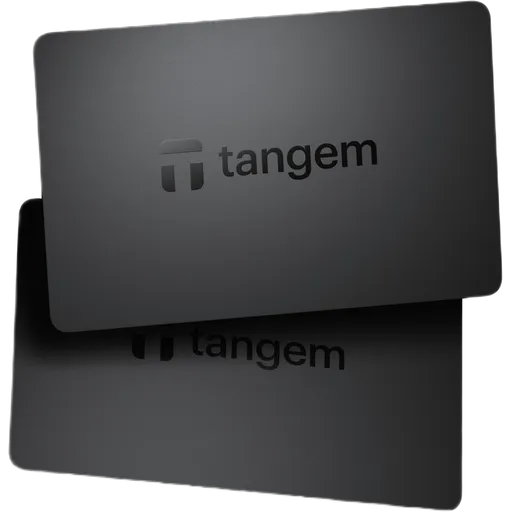
−32%via this link

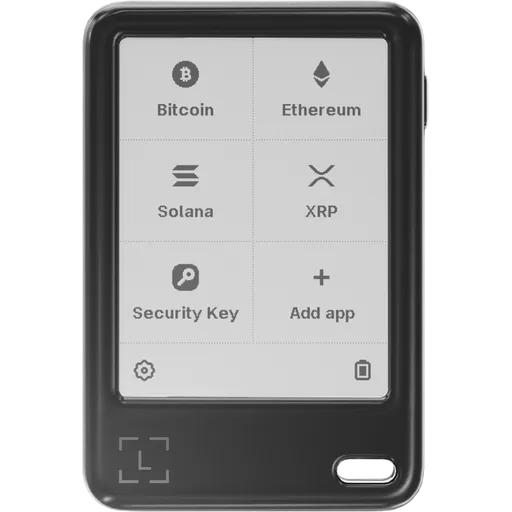



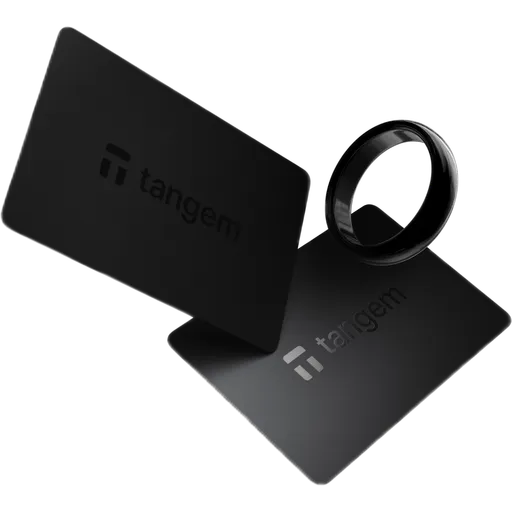
−32%via this link

−$40code


Affiliate link — we may earn a commission at no extra cost to you. Learn more about affiliate links
Native support: 18 of 41 wallets we have data for — OneKey Pro, OneKey Pro 2, OneKey Neo, Ledger Stax, Tangem Wallet (3 Cards) and 13 more.
Frequently Asked Questions
Which hardware wallets support Aptos?
If my hardware wallet supports Ethereum, does it also support Aptos?
Not automatically. Aptos is neither an EVM chain nor a UTXO chain: its smart contracts are written in Move, and assets are stored as resources inside an account. The device needs its own Aptos app or integration, native or through a third-party Aptos wallet. Check the manufacturer's supported-assets list before withdrawing APT.
Can I rely on the device screen for complex Aptos transactions?
Simple transfers are easy to read on the device. Complex contract calls may not be fully decoded on its screen, and then you are trusting the app. Aptos wallets can simulate a transaction to preview its effect, which helps, but that preview appears on the computer or phone, not on the device.
What should I know before staking APT from a hardware wallet?
Staking comes with a lock-up period, so delegated APT is not immediately available. Rewards depend on the validator's performance and commission. Keeping part of the balance undelegated leaves APT for fees and transfers. Check that the manufacturer supports Aptos staking before buying.
Ready to Choose a Secure Wallet?
Use our tools to find the right hardware wallet for your needs.