Bitcoin Cash
Bitcoin Cash is a cryptocurrency that split from Bitcoin in 2017 and uses larger blocks to keep on-chain payments cheap; its coin is BCH.
What Is Bitcoin Cash?
Bitcoin Cash (BCH) is a cryptocurrency that split from Bitcoin in a 2017 fork, with the aim of scaling payments on-chain through larger blocks. It keeps Bitcoin's UTXO model and SHA-256 proof-of-work mining, but allows blocks of up to 32 MB, which keeps fees low in normal use.
BCH has its own address format, CashAddr, with addresses that start with bitcoincash:q or bitcoincash:p. The format exists to prevent mix-ups: older legacy BCH addresses look just like Bitcoin addresses, and coins sent to the wrong chain are hard or impossible to get back.
On a hardware wallet, BCH is a separate coin from BTC with its own accounts. Support comes either from the manufacturer's own app or from a third-party wallet that uses the device as a signer. Bitcoin-only devices and Bitcoin-only firmware do not handle it. Check the manufacturer's supported-assets list before buying, and send a small test transaction before moving a larger amount.
Two practical points remain. Frequent small payments leave many UTXOs in the wallet, and combining them from time to time is cheap on this network. CashTokens, the native token feature of Bitcoin Cash, need support in both the device and its companion software, which not every wallet has.
Bitcoin (BTC) is the first decentralized cryptocurrency, launched in 2009. It uses blockchain technology for secure, peer-to-peer digital transactions without intermediaries.
Read full definition: BitcoinCryptocurrency is a digital or virtual currency secured by cryptography, operating on decentralized blockchain networks to enable secure, peer-to-peer transactions.
A fork is a blockchain split into two chains due to protocol changes or disagreements. Hard forks create permanent divergences; soft forks are backward-compatible.
Read full definition: ForkUTXO (Unspent Transaction Output) is a unit of cryptocurrency from a previous transaction that remains unspent and serves as input for new transactions in blockchains like Bitcoin.
Read full definition: UTXOSHA-256 is a cryptographic hash function that produces a fixed 256-bit output from any input. In blockchain, Bitcoin uses it for proof-of-work mining, block hashing, and transaction IDs.
Read full definition: SHA-256Mining uses computational power to solve puzzles, validate transactions, and add blocks to a blockchain. Miners earn cryptocurrency rewards for securing the network.
Read full definition: MiningA hardware wallet is a dedicated device that keeps private keys offline and signs transactions internally, so the keys never reach an internet-connected computer or phone.
A Bitcoin-only wallet is a cryptocurrency wallet that supports only Bitcoin (BTC), excluding other cryptocurrencies like Ethereum or altcoins.
Read full definition: Bitcoin-Only WalletFirmware is the software that runs on a hardware wallet itself: it generates keys, shows transaction details on the screen and signs.
Read full definition: FirmwareA test transaction is a small transfer sent before a large one to confirm the address, network and wallet setup work as expected.
Read full definition: Test TransactionA token is a digital asset on a blockchain that represents value, ownership, utility, or access rights. Examples include ERC-20 tokens on Ethereum.
Read full definition: TokenReal-World Examples
Example 1: Before withdrawing BCH from an exchange, a user displays the receiving address on the hardware wallet, checks that it is in CashAddr format, sends a small amount first and moves the rest once it arrives.
Example 2: An owner of a device running Bitcoin-only firmware cannot find Bitcoin Cash in the app. The coin is not supported in that mode, so she needs the multi-coin firmware or a different device.
Example 3: A shop that takes many small BCH payments combines them into one output every month, so that later payments do not need dozens of inputs.
A wallet address is the public identifier others use to send you crypto. It is derived from a public key and is safe to share.
Read full definition: Wallet AddressA hardware wallet is a dedicated device that keeps private keys offline and signs transactions internally, so the keys never reach an internet-connected computer or phone.
A Bitcoin-only wallet is a cryptocurrency wallet that supports only Bitcoin (BTC), excluding other cryptocurrencies like Ethereum or altcoins.
Read full definition: Bitcoin-Only WalletFirmware is the software that runs on a hardware wallet itself: it generates keys, shows transaction details on the screen and signs.
Read full definition: FirmwareBitcoin (BTC) is the first decentralized cryptocurrency, launched in 2009. It uses blockchain technology for secure, peer-to-peer digital transactions without intermediaries.
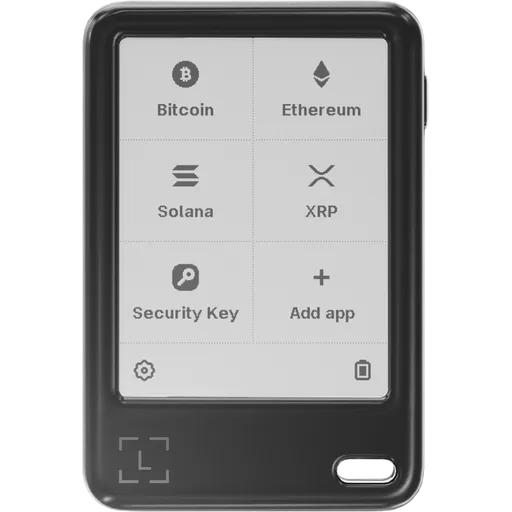
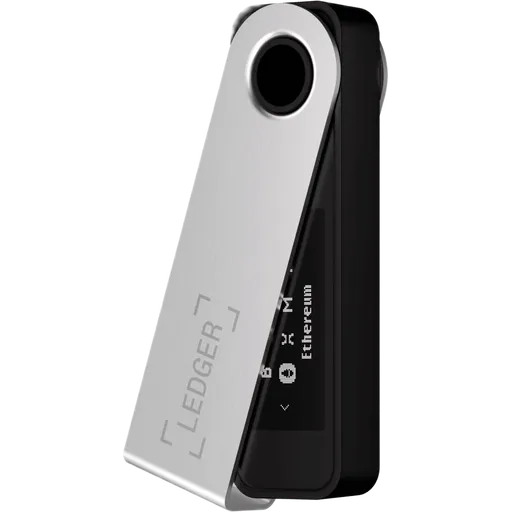
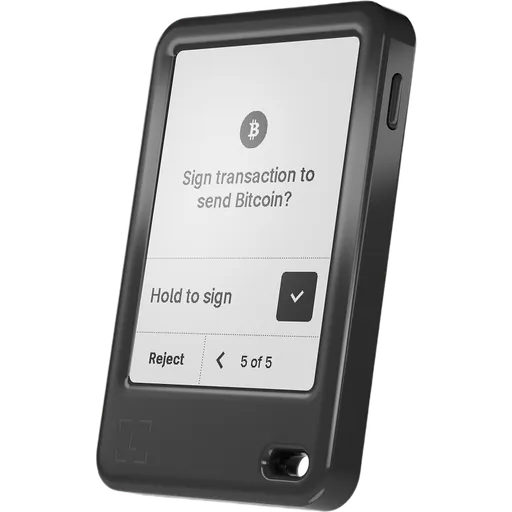
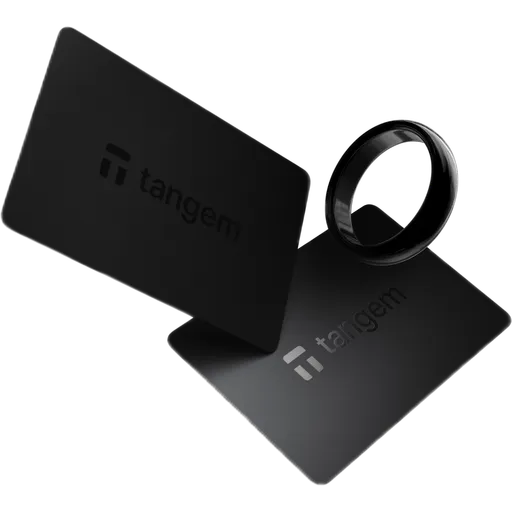
Read full definition: BitcoinHardware wallets that support Bitcoin Cash
Browse wallets grouped by this feature
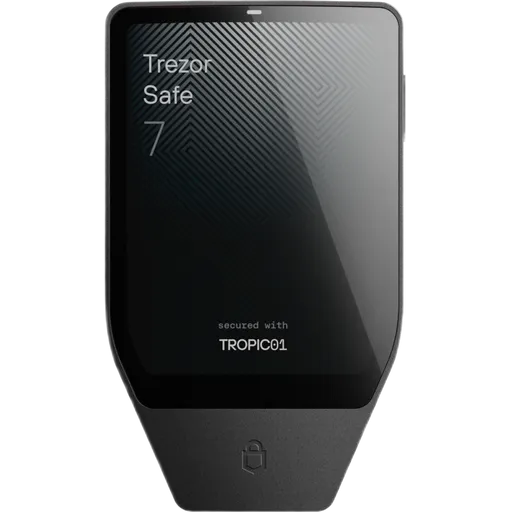
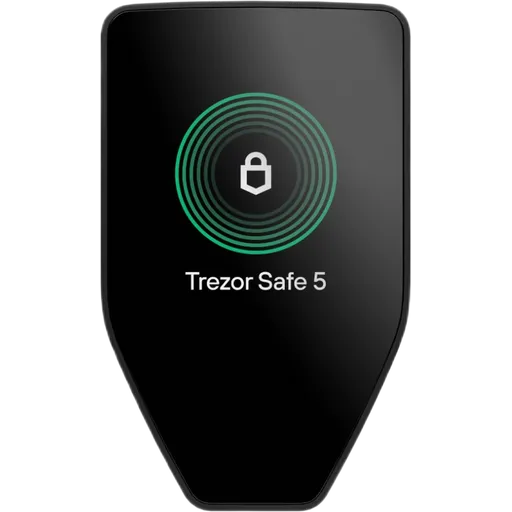

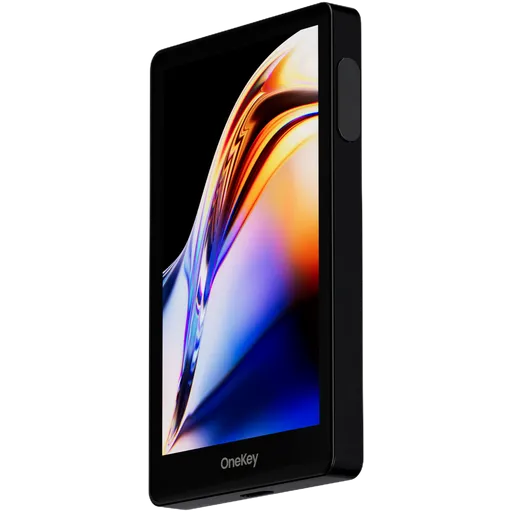

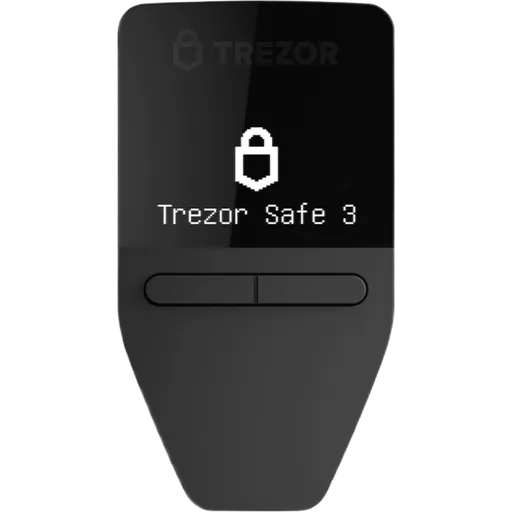
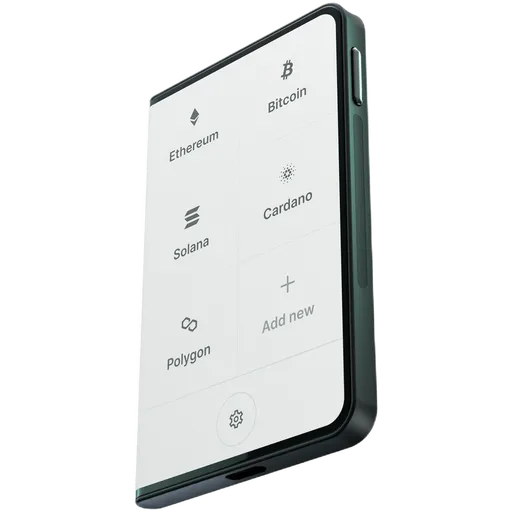
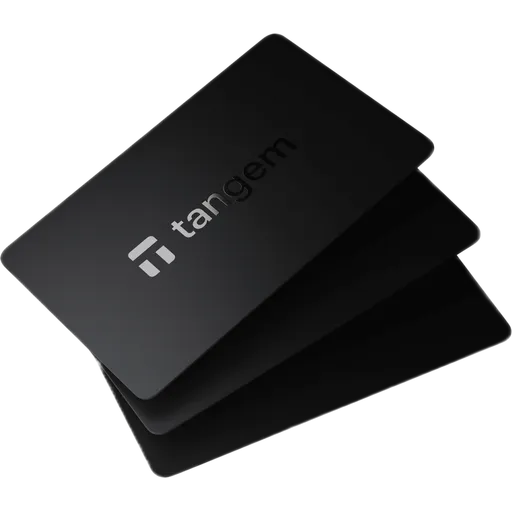
−32%via this link

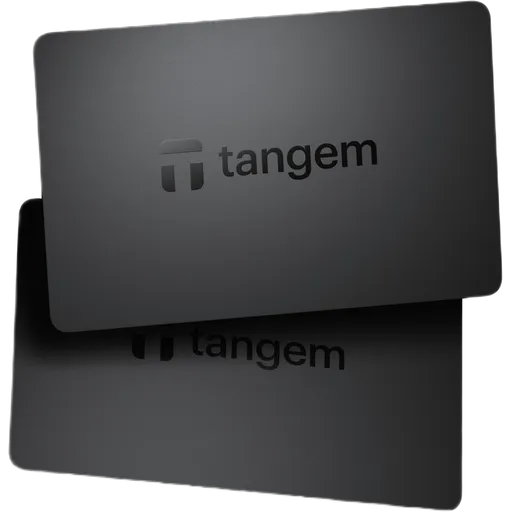
−32%via this link
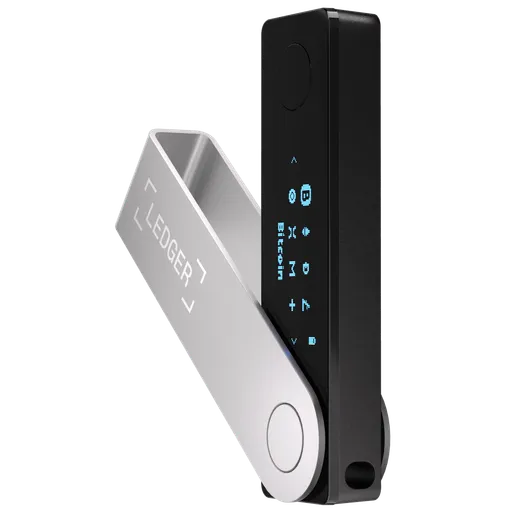

−32%via this link
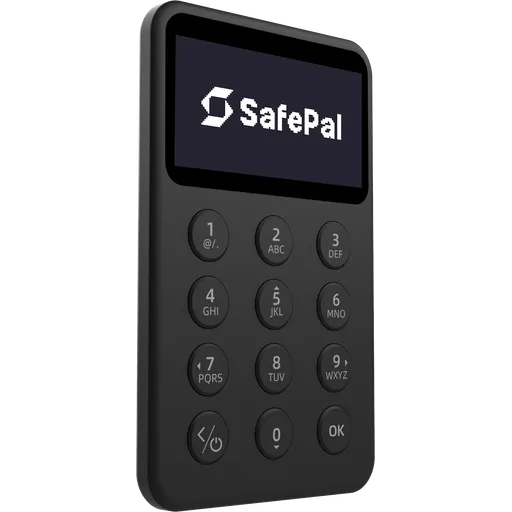
−$40code
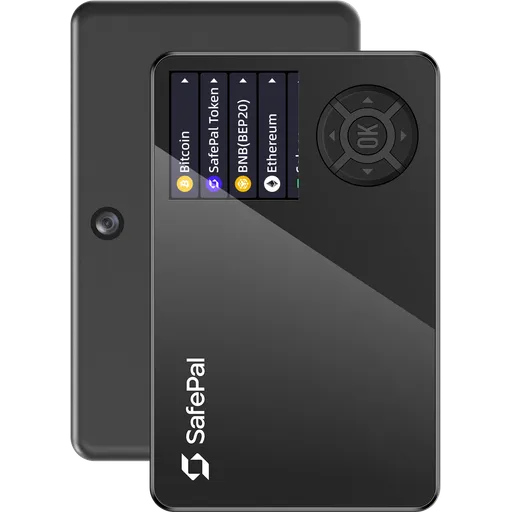

−$10store sale

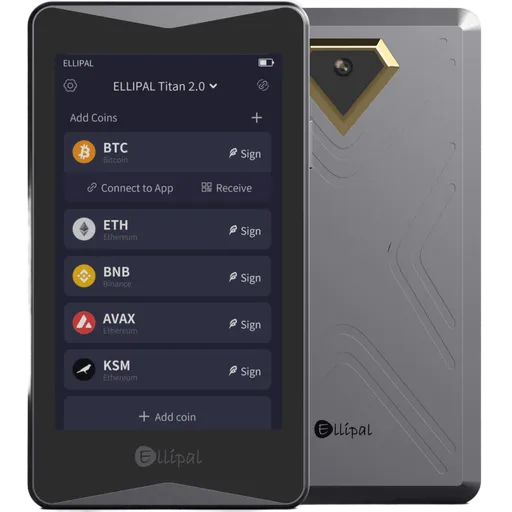
−$40store sale

−$49store sale
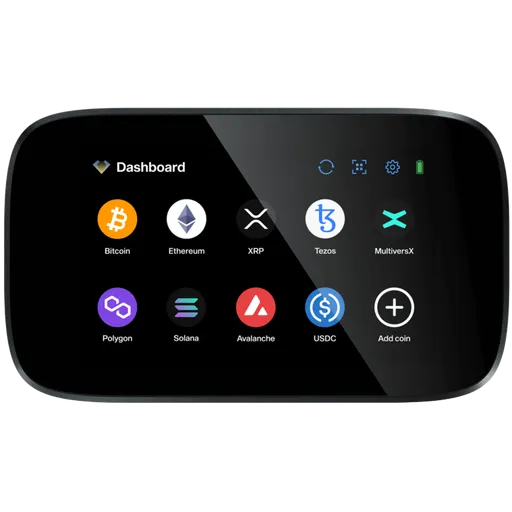


Affiliate link — we may earn a commission at no extra cost to you. Learn more about affiliate links
Native support: 26 of 41 wallets we have data for — Trezor Safe 7, Trezor Safe 5, OneKey Pro, OneKey Pro 2, OneKey Neo and 21 more.
Frequently Asked Questions
Which hardware wallets support Bitcoin Cash?
Can I send Bitcoin Cash to a Bitcoin address by mistake?
It can happen, because older legacy BCH addresses look just like Bitcoin addresses, and coins sent to the wrong chain are hard or impossible to get back. The CashAddr format, with addresses starting bitcoincash:q or bitcoincash:p, exists to prevent such mix-ups. Check the format on the hardware wallet's screen and send a small test amount first.
Why can't I find Bitcoin Cash on my hardware wallet?
Bitcoin-only devices and Bitcoin-only firmware do not handle BCH. On a multi-coin device it is a separate coin from BTC with its own accounts, supported either by the manufacturer's own app or by a third-party wallet that uses the device as a signer. Check the manufacturer's supported-assets list before buying.
Do CashTokens need separate support on a hardware wallet?
Yes. CashTokens, the native token feature of Bitcoin Cash, need support in both the hardware wallet and its companion software, and not every wallet has it. Being able to send and receive BCH does not by itself mean that a device and its app can handle CashTokens.
Ready to Choose a Secure Wallet?
Use our tools to find the right hardware wallet for your needs.