EAL Certification
EAL Certification (Evaluation Assurance Level) from Common Criteria rates the security of hardware components, like secure chips in crypto hardware wallets. Higher levels, such as EAL5+ or EAL6+, indicate stronger resistance to attacks.
What Is a EAL Certification?
A EAL Certification is a security evaluation standard from the Common Criteria framework. It rates the rigor of testing for IT products, especially hardware secure elements. EAL stands for Evaluation Assurance Level. Levels range from EAL1 (basic) to EAL7 (formally verified design).
Independent accredited labs perform the evaluation. They review designs, test functionality, and attempt penetration attacks. Developers provide evidence of security measures. Higher levels demand more thorough analysis, like vulnerability assessments and resistance to sophisticated exploits. Augmentations, marked as EAL5+ or EAL6+, add specific protections beyond base requirements.
EAL Certification matters in cryptocurrency because hardware wallets use certified chips to store private keys. These chips resist physical tampering, side-channel attacks, and fault injection. High levels like EAL5+ or EAL6+ build user trust by proving resilience against real-world threats.
Key levels in crypto hardware include:
- EAL5+: Semi-formally designed and tested systems with high attack resistance. Common in secure elements like those from STMicroelectronics.
- EAL6+: Semi-formally verified designs for extreme threats.
Synonyms include Common Criteria certification. Users should match EAL level to their security needs, as higher certification increases costs but not always necessity.
Base is an Ethereum Layer 2 network developed by Coinbase. It uses optimistic rollups for scalable, low-cost transactions.
Read full definitionCryptocurrency is a digital or virtual currency secured by cryptography, operating on decentralized blockchain networks to enable secure, peer-to-peer transactions.
Read full definitionReal-World Examples
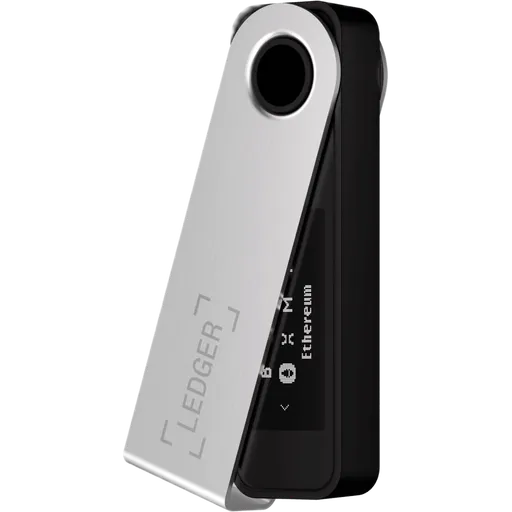
Example 1: A cryptocurrency user researches hardware wallets. They select a Ledger Nano X because its secure element holds an EAL5+ certification, proving resistance to side-channel attacks and physical tampering.
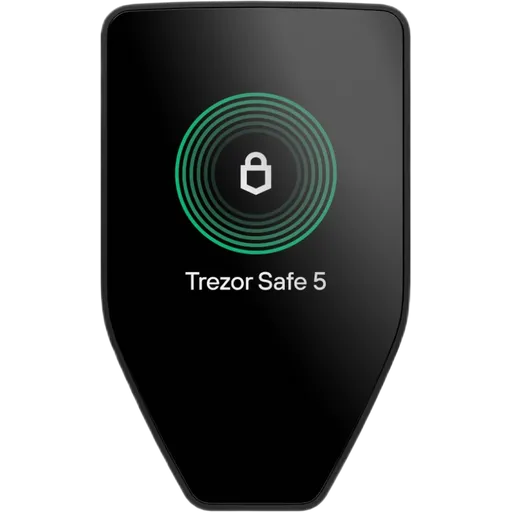
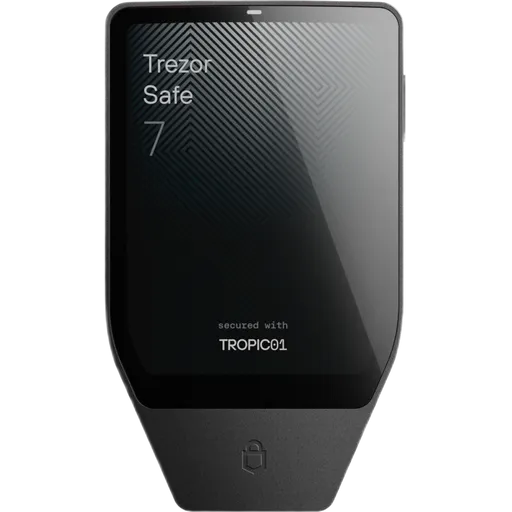
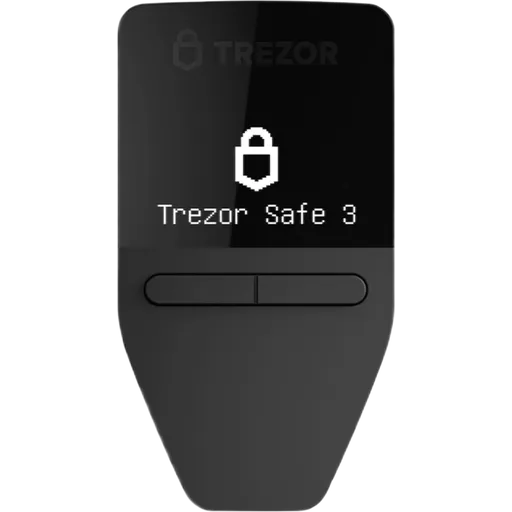
Example 2: During product specs review, Trezor highlights its microcontroller's EAL6+ Common Criteria certification. This assures users of protection against sophisticated fault injection exploits.
Example 3: An enterprise sets procurement rules for crypto custody devices. They mandate EAL5+ or higher certification to comply with security regulations and build trust in private key storage.
Example 4: A developer evaluates secure chips for a custom wallet. They choose an STMicroelectronics ST33 with EAL5+ rating, as independent labs verified its defenses against real-world penetration attempts.
Cryptocurrency is a digital or virtual currency secured by cryptography, operating on decentralized blockchain networks to enable secure, peer-to-peer transactions.
Read full definitionTrezor is a hardware wallet by SatoshiLabs. It stores private keys offline to secure cryptocurrencies.
Read full definitionCrypto custody is the secure storage and management of cryptocurrency private keys, often provided by specialized custodial services.
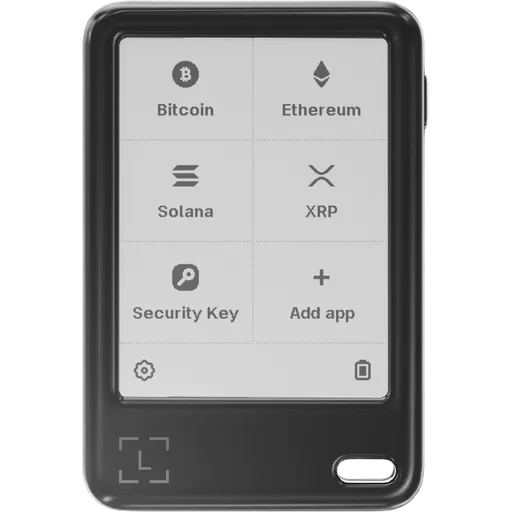
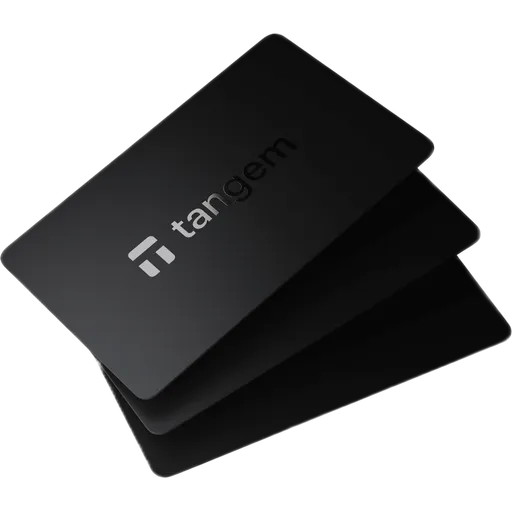
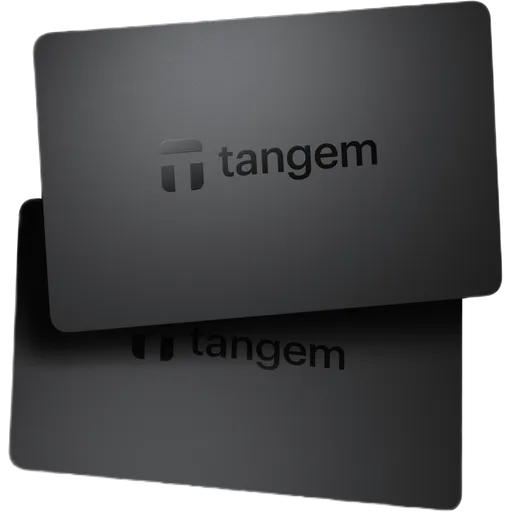
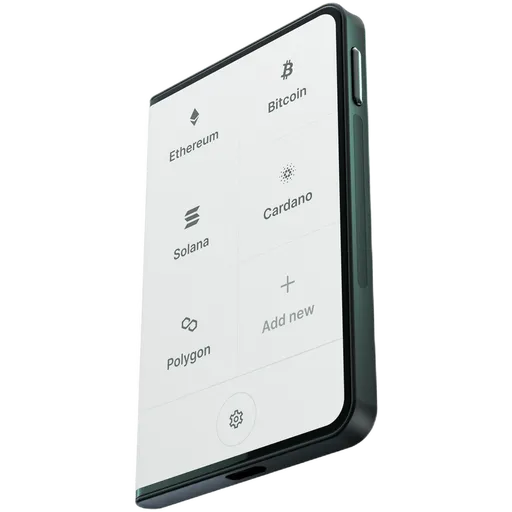
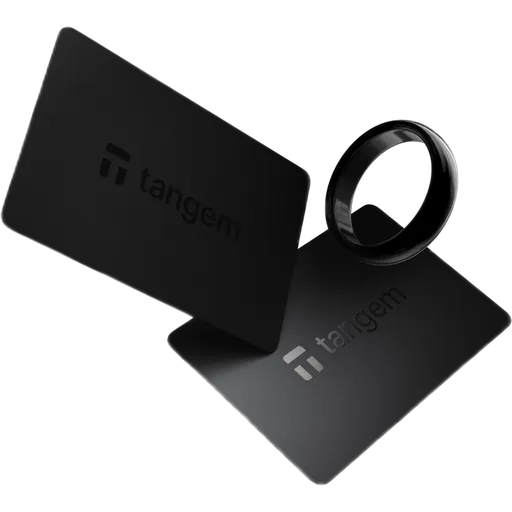
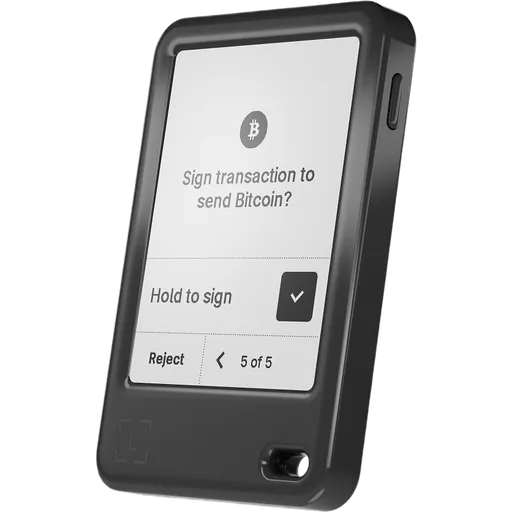
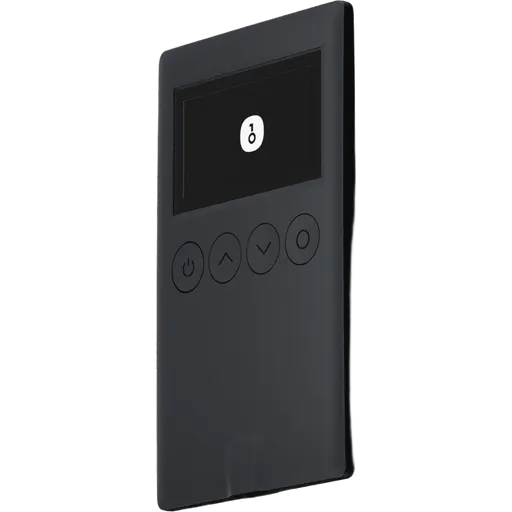
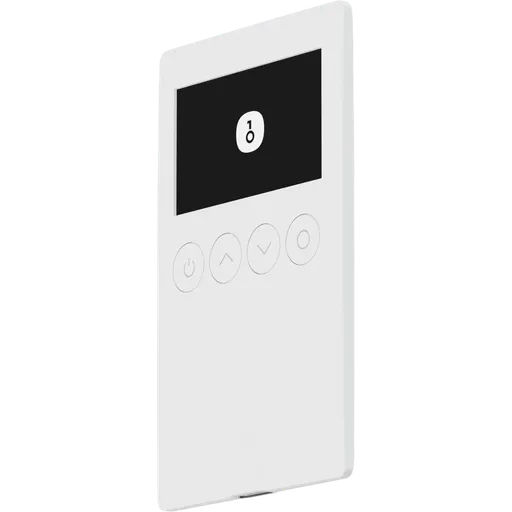
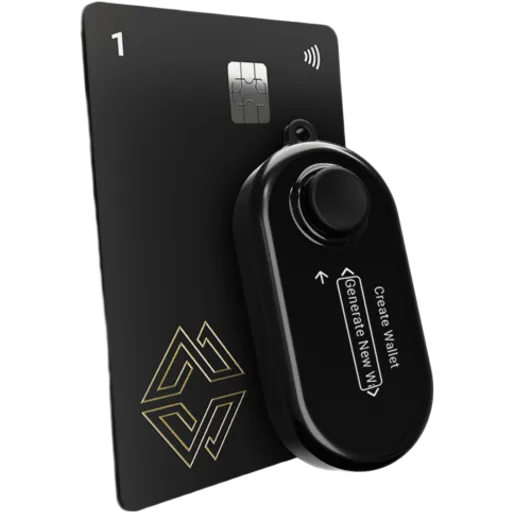
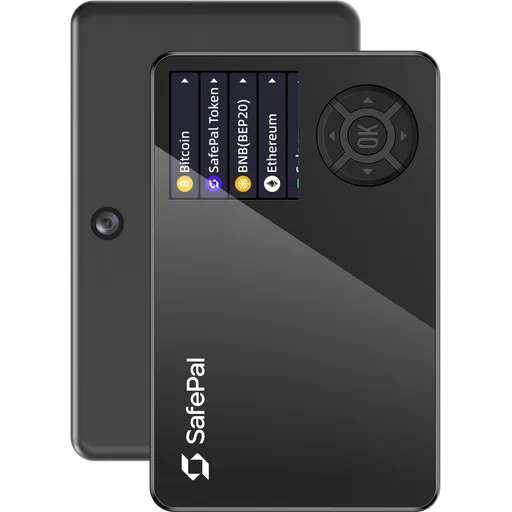
Read full definitionHardware Wallets by EAL Certification
Browse wallets grouped by this feature

Affiliate link — we may earn a commission at no extra cost to you. Learn more
Ready to Choose a Secure Wallet?
Use our tools to find the right hardware wallet for your needs.
Start Wallet Finder