Encrypted Communication
Encrypted communication in cryptocurrency and blockchain secures data transmission between wallets, nodes, or users using encryption techniques like end-to-end encryption, preventing unauthorized access.
What Is a Encrypted Communication?
A Encrypted Communication secures data transmission between parties in cryptocurrency and blockchain systems. It protects messages, transactions, or instructions from eavesdroppers. Only intended recipients access the content.
Encryption works by transforming readable data (plaintext) into unreadable code (ciphertext) using algorithms and keys. Senders use the recipient's public key for asymmetric encryption, like RSA or ECC. Recipients decrypt with their private key. Symmetric encryption, such as AES, uses a shared secret key. Protocols like TLS/SSL create secure channels for node-to-node talks. End-to-end encryption (E2EE) ensures intermediaries cannot read data; examples include Signal protocol in crypto messaging apps.
Encrypted communication matters in crypto for privacy and security. It prevents man-in-the-middle attacks during wallet transfers or blockchain queries. Hackers cannot steal private keys or transaction details over public networks. Nodes in networks like Bitcoin use it to validate blocks without exposing sensitive data.
Key characteristics include confidentiality, integrity (detecting tampering), and authentication (verifying sender). Types cover
- Transport-layer: Secures connections, like HTTPS for exchanges.
- Application-layer: E2EE in dApps or wallets.
- Zero-knowledge proofs: Enhance privacy without full encryption.
Cryptocurrency is a digital or virtual currency secured by cryptography, operating on decentralized blockchain networks to enable secure, peer-to-peer transactions.
Read full definitionA public key is a cryptographic key used to receive transactions in a blockchain. It is shared openly, while the corresponding private key remains confidential.
Read full definitionAn elliptic curve is a mathematical curve used in elliptic curve cryptography (ECC) for generating secure public-private key pairs in blockchains, like secp256k1 in Bitcoin.
Read full definitionA node is a computer running blockchain software that connects to the network, validates transactions, and maintains a copy of the ledger.
Read full definitionBitcoin (BTC) is the first decentralized cryptocurrency, launched in 2009. It uses blockchain technology for secure, peer-to-peer digital transactions without intermediaries.
Read full definitionReal-World Examples
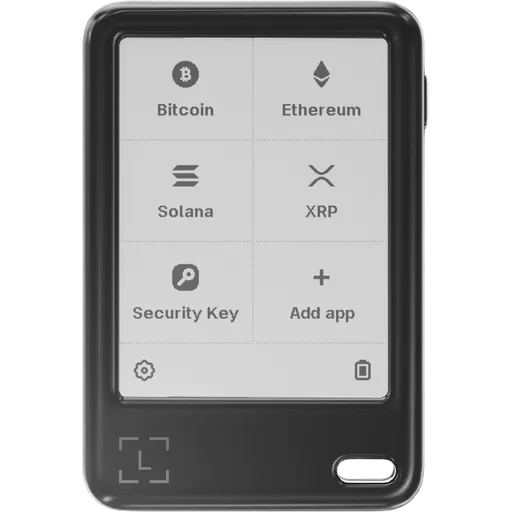
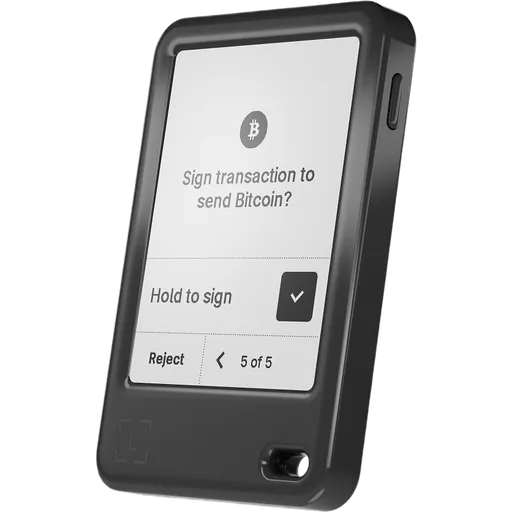
Example 1: A user connects a Ledger hardware wallet to their computer via USB. The device uses encrypted communication with the Ledger Live app. This protects seed phrases and transaction signing from keyloggers or malware.
Example 2: Bitcoin nodes exchange transaction data over the P2P network. They establish encrypted channels using protocols like Noise or TLS. Eavesdroppers see only ciphertext, not wallet addresses or amounts.
Example 3: In a decentralized exchange (DEX) like Uniswap, a user's MetaMask wallet communicates with the blockchain via HTTPS (TLS encryption). This secures swap instructions from man-in-the-middle attacks on public Wi-Fi.
Example 4: Multisig wallet coordinators use end-to-end encrypted messaging apps like Status. They share partial signatures without exposing full private keys to intermediaries.
Ledger is a brand of hardware wallets that securely store cryptocurrency private keys offline, such as the Ledger Nano series.
Read full definitionLedger Live is a software application that manages cryptocurrency assets and interacts with Ledger hardware wallets for secure transactions and portfolio management.
Read full definitionBitcoin (BTC) is the first decentralized cryptocurrency, launched in 2009. It uses blockchain technology for secure, peer-to-peer digital transactions without intermediaries.
Read full definitionIn cryptocurrency, a swap is the direct exchange of one token for another on a blockchain, often via decentralized exchanges (DEXs) without intermediaries.
Read full definitionMultisig (multi-signature) is a security feature that requires multiple private keys to authorize a transaction, enhancing protection against unauthorized access in blockchain networks.
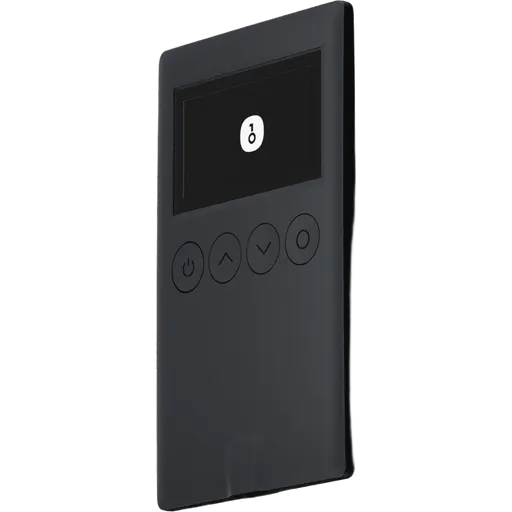
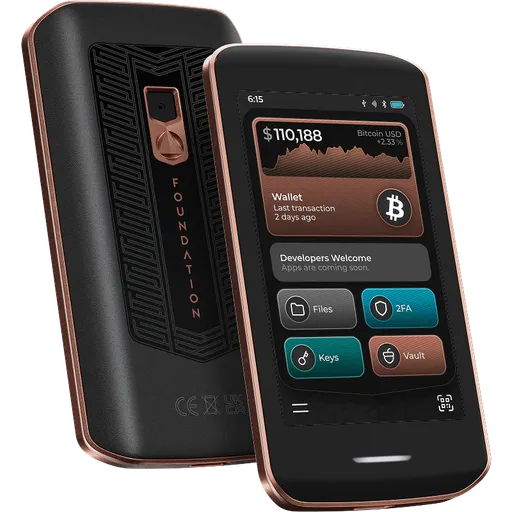
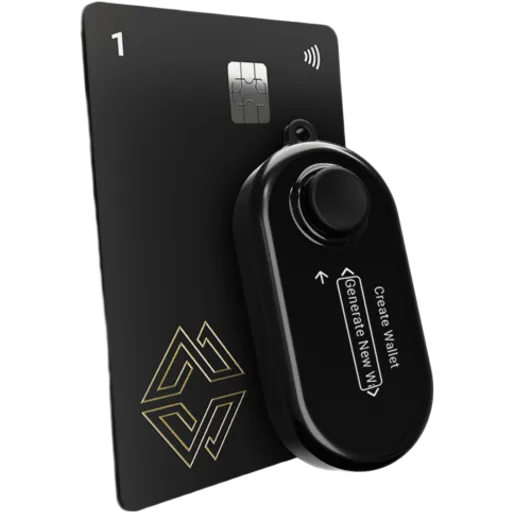
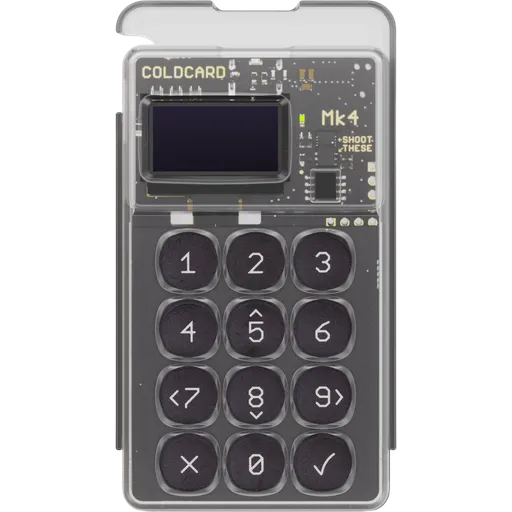
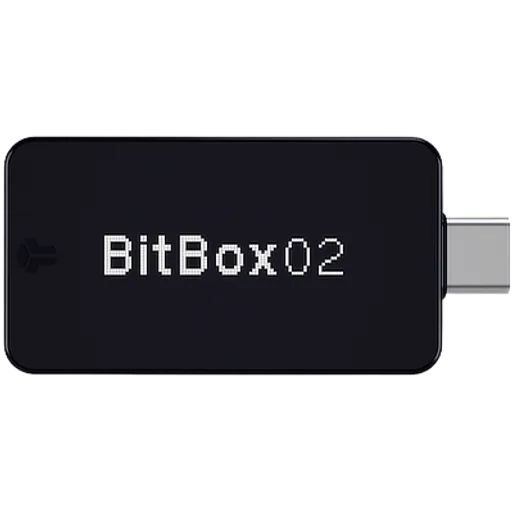
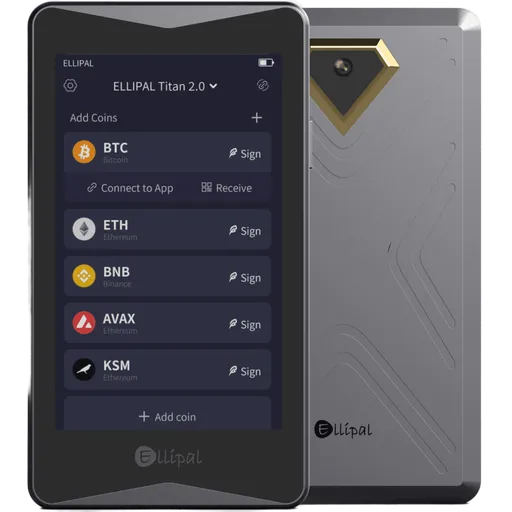
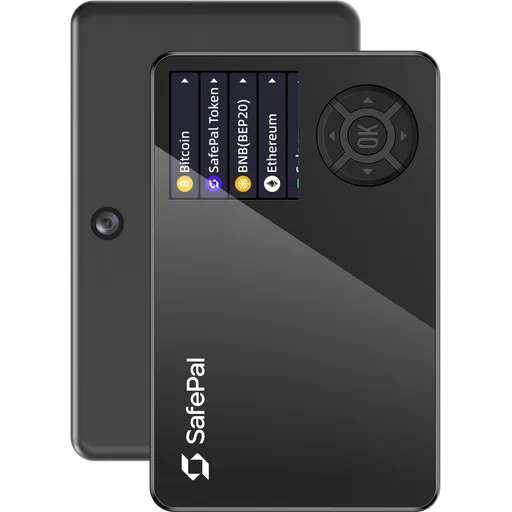
Read full definitionHardware Wallets by Encrypted Communication
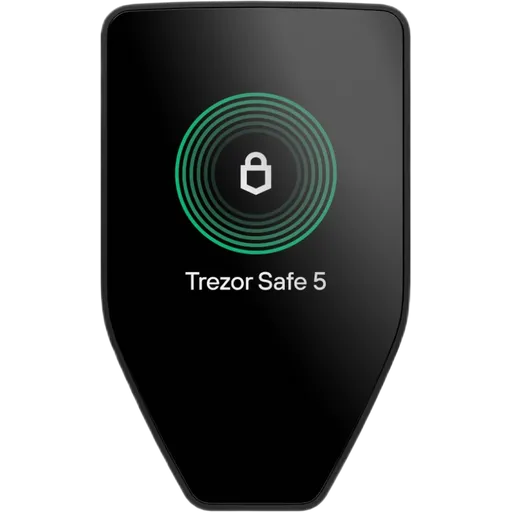
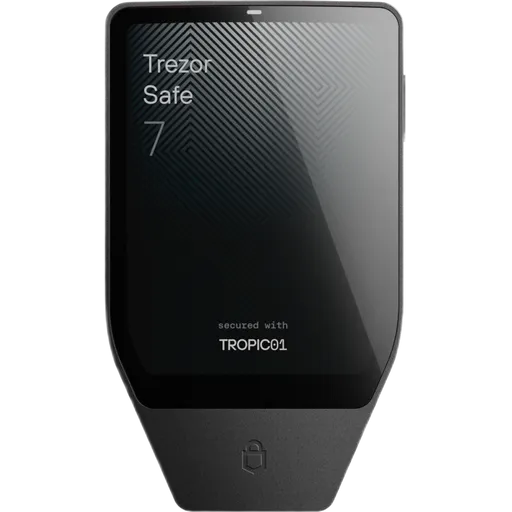
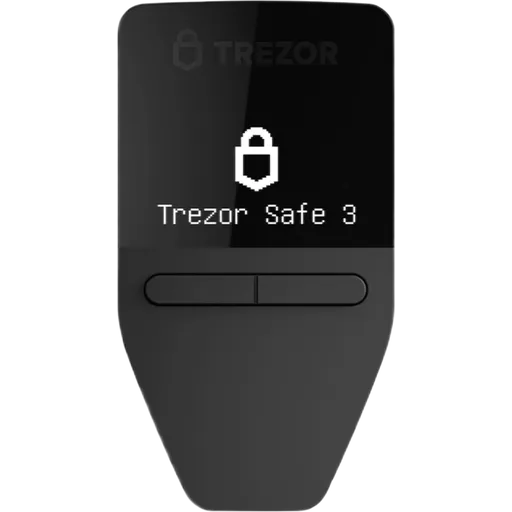
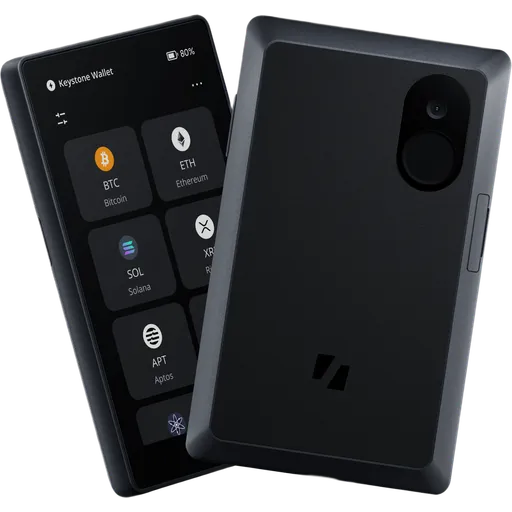
Browse wallets grouped by this feature








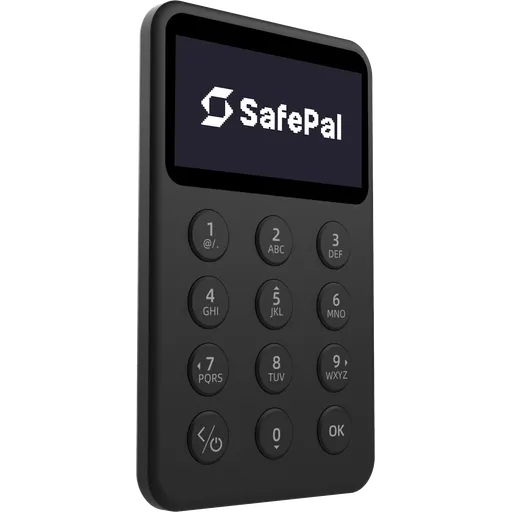
Affiliate link — we may earn a commission at no extra cost to you. Learn more
Ready to Choose a Secure Wallet?
Use our tools to find the right hardware wallet for your needs.
Start Wallet Finder