Ethereum Classic
Ethereum Classic is the original Ethereum chain that kept running unchanged after the 2016 DAO hard fork; it remains proof-of-work and EVM-compatible, and its coin is ETC.
What Is Ethereum Classic?
Ethereum Classic (ETC) is the original Ethereum chain, which kept running after the 2016 DAO hard fork. Most of the community moved to a chain that reversed the DAO hack; Ethereum Classic kept the ledger unaltered under the principle that code is law. It remains proof-of-work and EVM-compatible, so it runs Ethereum-style smart contracts.
The shared origin has practical consequences. ETC addresses use the same 0x format as Ethereum, and one key controls the same address on both chains. The chains are told apart by a chain ID, 61 for Ethereum Classic, which is part of every signed transaction and stops it from being replayed on the other chain. Depending on the wallet, ETC accounts are derived on their own path or on Ethereum's, which matters when restoring a backup in different software.
On a hardware wallet, ETC is supported either natively in the manufacturer's own app or as a custom EVM network through a third-party wallet. Check the manufacturer's supported-assets list first. As a mining network, Ethereum Classic has no staking.
Ethereum Classic has suffered 51% attacks, including in 2019 and 2020, so exchanges often wait for many confirmations before crediting a deposit. When withdrawing, choose the ETC network and not Ethereum, confirm the address on the device screen and send a small test transaction first.
Ethereum is a decentralized blockchain platform that enables smart contracts and decentralized applications (dApps). Its native cryptocurrency is Ether (ETH).
Read full definition: EthereumA DAO (Decentralized Autonomous Organization) is a blockchain-based entity governed by smart contracts and token holder votes, enabling decentralized decision-making without central authority.
A fork is a blockchain split into two chains due to protocol changes or disagreements. Hard forks create permanent divergences; soft forks are backward-compatible.
Read full definition: ForkLedger is a brand of hardware wallets that securely store cryptocurrency private keys offline, such as the Ledger Nano series.
Read full definition: LedgerThe EVM (Ethereum Virtual Machine) runs smart contracts on Ethereum and on compatible chains, which share its address format and tooling.
Read full definition: EVMA smart contract is a program stored on a blockchain that runs exactly as written when a transaction calls it.
Read full definition: Smart ContractA backup in cryptocurrency is a secure copy of a wallet's seed phrase or private keys. It enables recovery of funds if the original wallet is lost or damaged.
Read full definition: BackupA hardware wallet is a dedicated device that keeps private keys offline and signs transactions internally, so the keys never reach an internet-connected computer or phone.
Mining uses computational power to solve puzzles, validate transactions, and add blocks to a blockchain. Miners earn cryptocurrency rewards for securing the network.
Read full definition: MiningStaking locks or delegates proof-of-stake coins to help secure a network in exchange for rewards.
Read full definition: StakingA 51% attack happens when an entity controls over 50% of a blockchain's mining power, allowing it to double-spend coins or censor transactions.
A test transaction is a small transfer sent before a large one to confirm the address, network and wallet setup work as expected.
Read full definition: Test TransactionReal-World Examples
Example 1: On an exchange's withdrawal page, a user selects the Ethereum Classic network, checks the receiving address on the hardware wallet, sends a small amount of ETC and moves the rest after it arrives.
Example 2: After connecting a hardware wallet to different wallet software, the ETC balance shows as zero. The software derives accounts on another path; selecting the path the first app used brings the coins back into view.
Ethereum is a decentralized blockchain platform that enables smart contracts and decentralized applications (dApps). Its native cryptocurrency is Ether (ETH).
Read full definition: EthereumA wallet address is the public identifier others use to send you crypto. It is derived from a public key and is safe to share.
Read full definition: Wallet AddressA hardware wallet is a dedicated device that keeps private keys offline and signs transactions internally, so the keys never reach an internet-connected computer or phone.
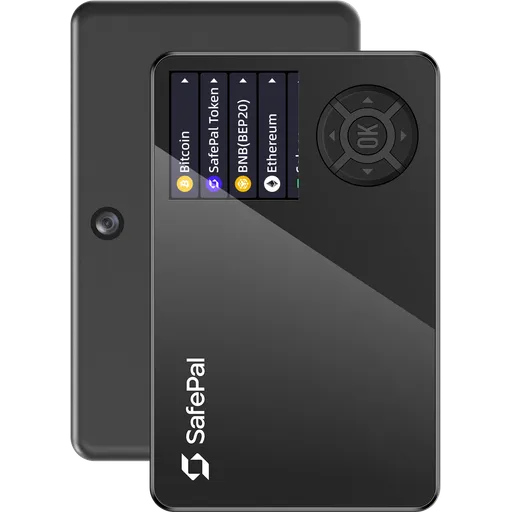
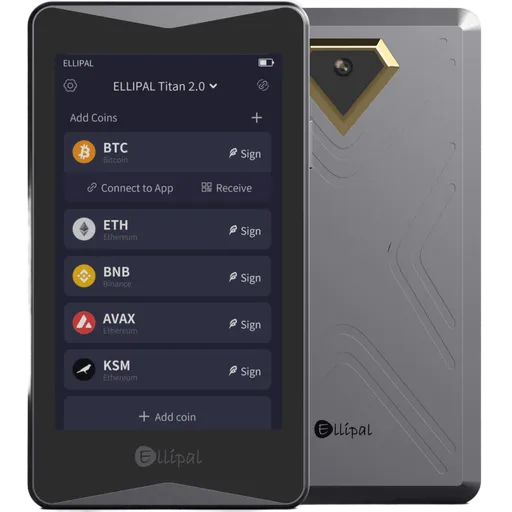
Hardware wallets that support Ethereum Classic
Browse wallets grouped by this feature
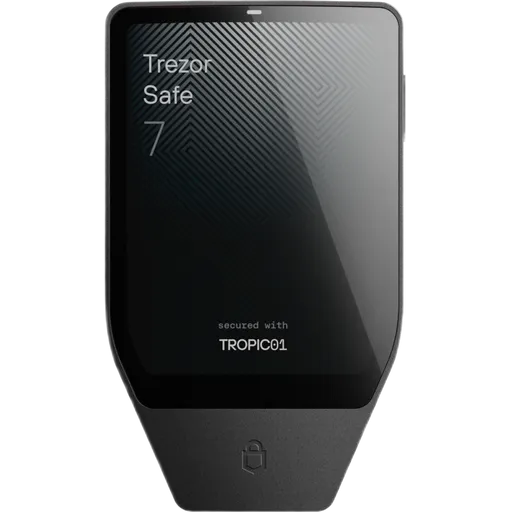
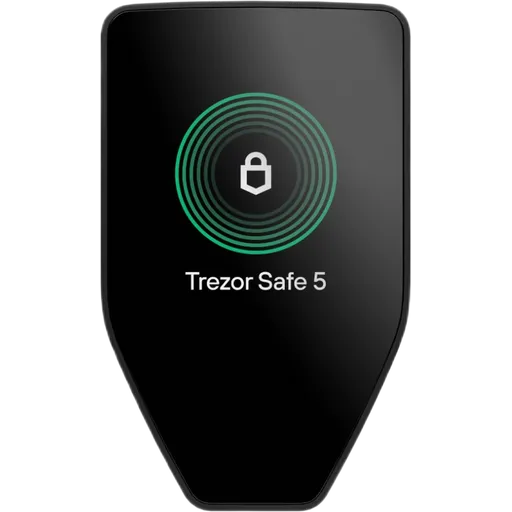



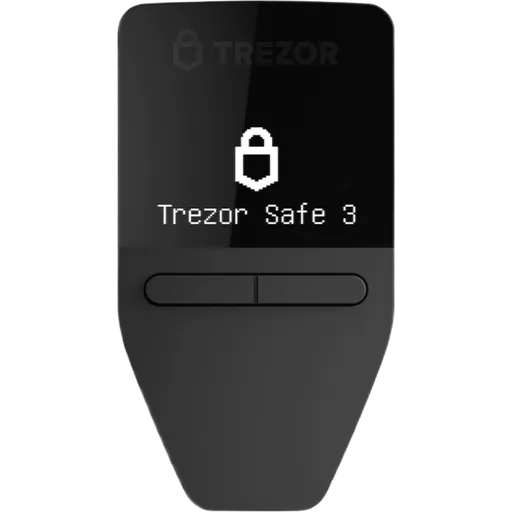
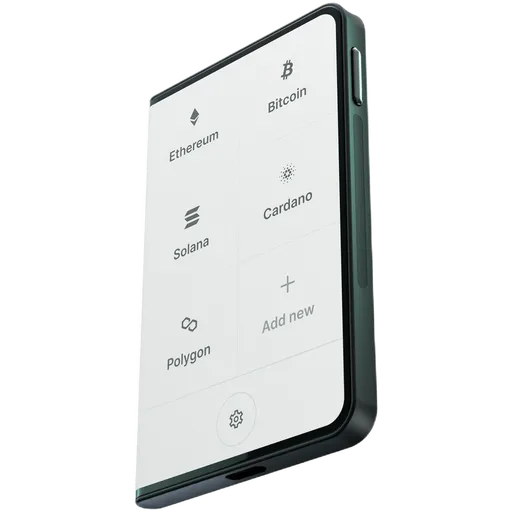
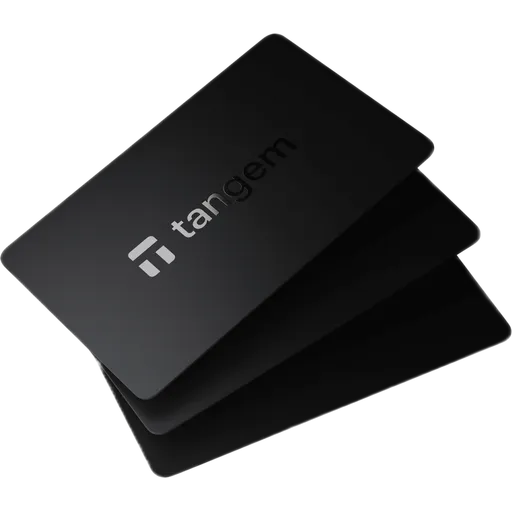
−32%via this link

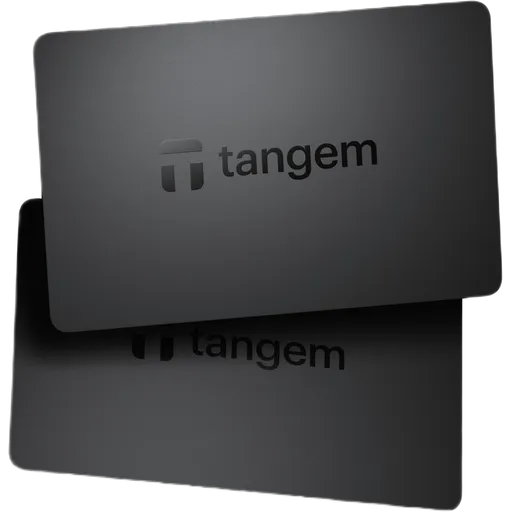
−32%via this link
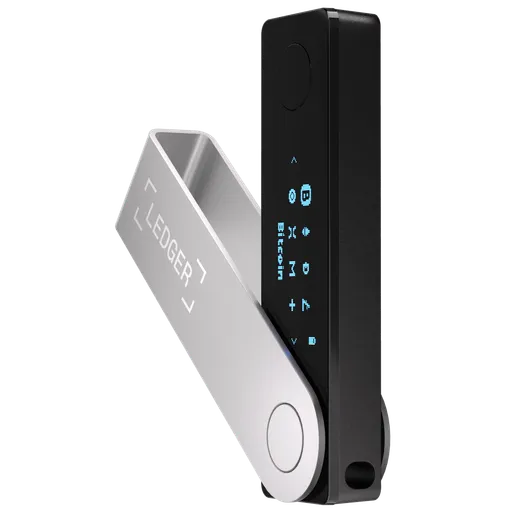
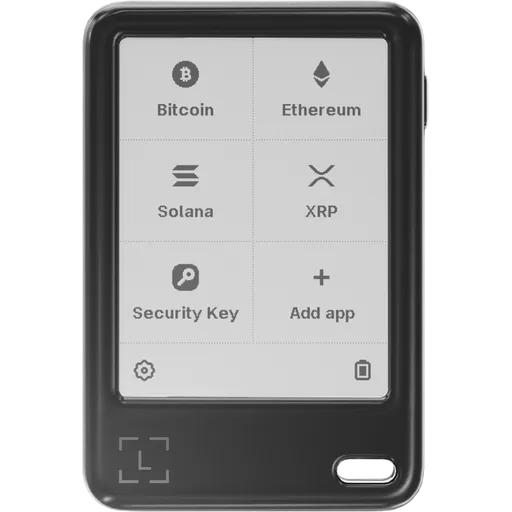
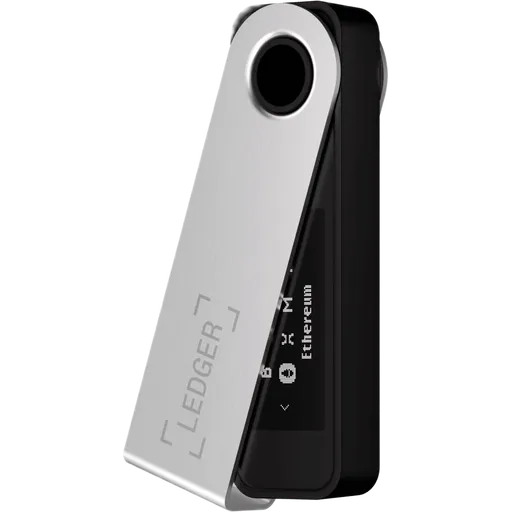

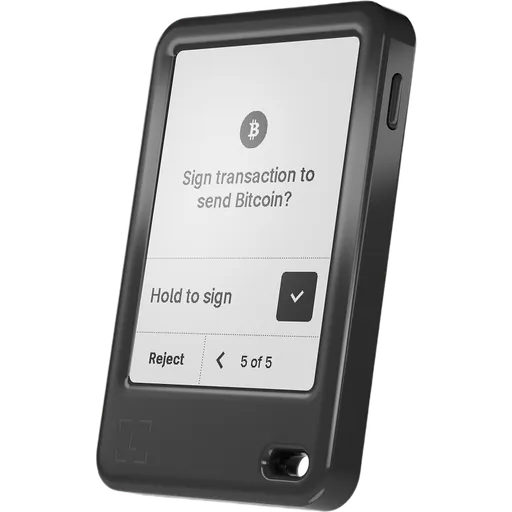
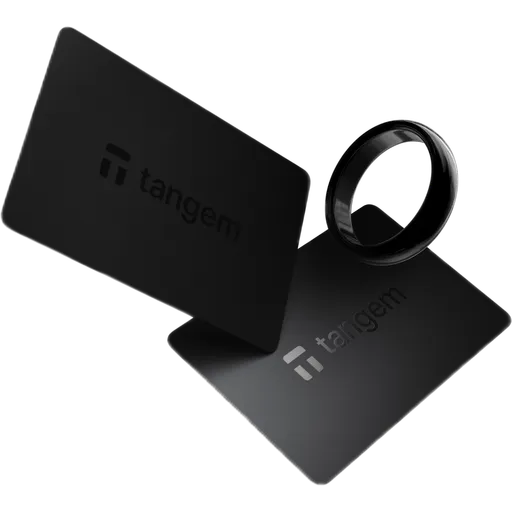
−32%via this link
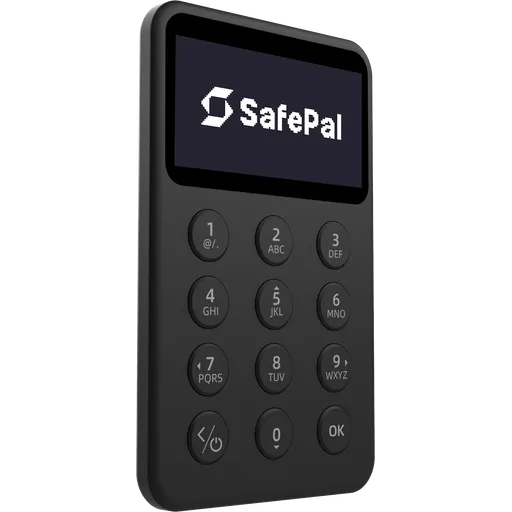
−$40code

−$10store sale

−$40store sale

−$49store sale


Affiliate link — we may earn a commission at no extra cost to you. Learn more about affiliate links
Native support: 25 of 41 wallets we have data for — Trezor Safe 7, Trezor Safe 5, OneKey Pro, OneKey Pro 2, OneKey Neo and 20 more.
Frequently Asked Questions
Which hardware wallets support Ethereum Classic?
Can I use my Ethereum address to receive ETC?
ETC addresses use the same 0x format as Ethereum, and one key controls the same address on both chains. The chains are told apart by the chain ID, 61 for Ethereum Classic, which is part of every signed transaction. When withdrawing, choose the ETC network, confirm the address on the device and send a small test first.
Why does my ETC balance show zero in different wallet software?
Depending on the wallet, ETC accounts are derived on their own path or on Ethereum's. If the new software uses a different path from the first one, it looks at different addresses and shows no balance. Selecting the path the first app used brings the coins back into view.
Why do exchanges wait so long before crediting an ETC deposit?
Ethereum Classic is a proof-of-work network that has suffered 51% attacks, including in 2019 and 2020. Because recent blocks on such a chain can be rewritten, exchanges often wait for many confirmations before crediting a deposit. The delay protects against a reversed transaction; it says nothing about the safety of your keys.
Ready to Choose a Secure Wallet?
Use our tools to find the right hardware wallet for your needs.