Filecoin
Filecoin is a decentralised storage network built on IPFS in which providers are paid in FIL to store data and prove with cryptography that they still hold it.
What Is Filecoin?
Filecoin is a decentralised storage network built on IPFS. Storage providers rent out disk space, clients pay to store data, and cryptographic proofs show that providers still hold what they agreed to keep. The FIL coin pays for storage deals and gas fees, and providers lock it as collateral.
Filecoin has several address types. f1 addresses use the same kind of key as Bitcoin and Ethereum and are the type hardware wallets support most often. f3 addresses use BLS keys. f4 addresses belong to the Filecoin Virtual Machine, an EVM-compatible layer, and can also be written in Ethereum's 0x form.
A hardware wallet can therefore reach Filecoin by two routes: a native Filecoin app with f1 addresses, or its Ethereum support through the EVM layer. The second route widens the choice of devices but may not reach native features, and not every exchange sends to every address type. Check the manufacturer's supported-assets list for the address types, and whether support is in its own app or a third-party wallet.
Gas consists of a base fee that moves with demand plus a priority fee, so check the fee shown before confirming. Some FIL, such as mining rewards, vests over time, and the displayed balance may not be fully spendable. Send a small test transaction before a large transfer.
A transaction fee is a cost paid to process transactions on a blockchain network. It compensates miners or validators for confirming and adding transactions to the blockchain.
Read full definition: Transaction FeeBitcoin (BTC) is the first decentralized cryptocurrency, launched in 2009. It uses blockchain technology for secure, peer-to-peer digital transactions without intermediaries.
Read full definition: BitcoinEthereum is a decentralized blockchain platform that enables smart contracts and decentralized applications (dApps). Its native cryptocurrency is Ether (ETH).
Read full definition: EthereumA hardware wallet is a dedicated device that keeps private keys offline and signs transactions internally, so the keys never reach an internet-connected computer or phone.
The EVM (Ethereum Virtual Machine) runs smart contracts on Ethereum and on compatible chains, which share its address format and tooling.
Read full definition: EVMThe base fee is Ethereum's minimum price per unit of gas, introduced by EIP-1559. It adjusts to network demand from block to block and is burned instead of being paid to validators.
Priority Fee is an optional tip users pay to miners or validators to prioritize their transaction for faster inclusion in the blockchain.
Mining uses computational power to solve puzzles, validate transactions, and add blocks to a blockchain. Miners earn cryptocurrency rewards for securing the network.
Read full definition: MiningA test transaction is a small transfer sent before a large one to confirm the address, network and wallet setup work as expected.
Read full definition: Test TransactionReal-World Examples
Example 1: An exchange withdraws FIL only to f1 addresses, but a user's wallet shows a 0x address. He sets up a native Filecoin account on the hardware wallet, tests it with a small amount and then withdraws the rest.
Example 2: A storage provider keeps the key of the owner address, which controls the collateral, on a hardware wallet and uses separate keys for daily operational messages.
A hardware wallet is a dedicated device that keeps private keys offline and signs transactions internally, so the keys never reach an internet-connected computer or phone.
Hardware wallets that support Filecoin
Browse wallets grouped by this feature



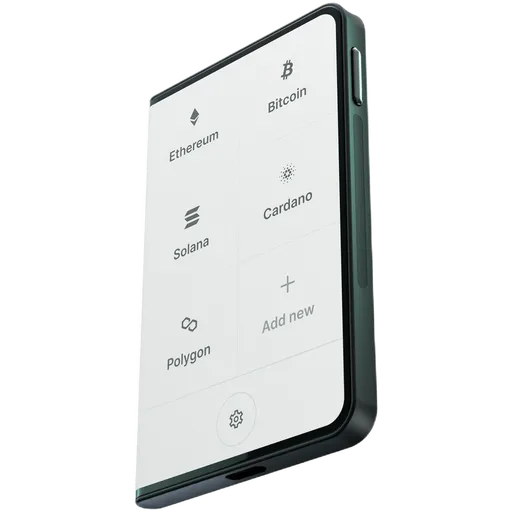
−32%via this link

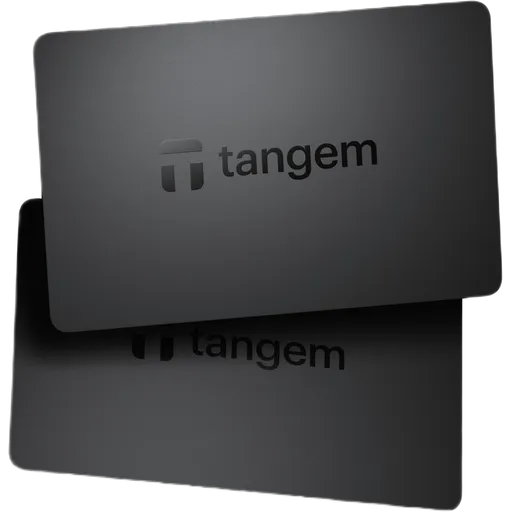
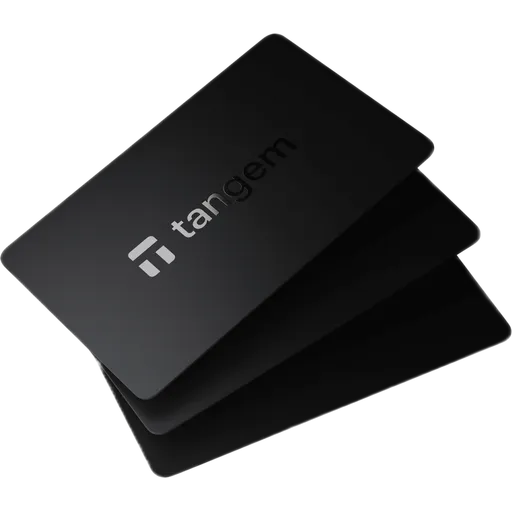
−32%via this link
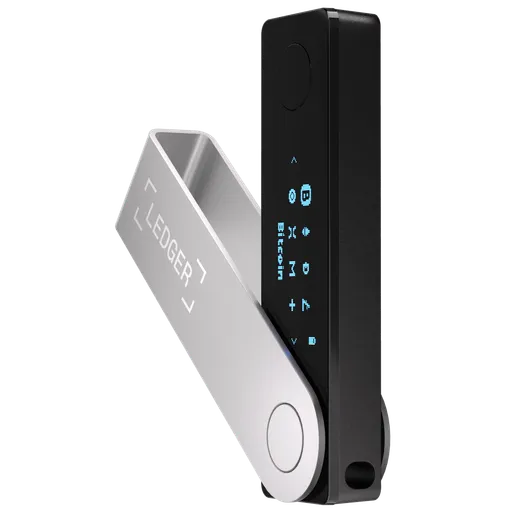

−32%via this link
−$40code

Affiliate link — we may earn a commission at no extra cost to you. Learn more about affiliate links
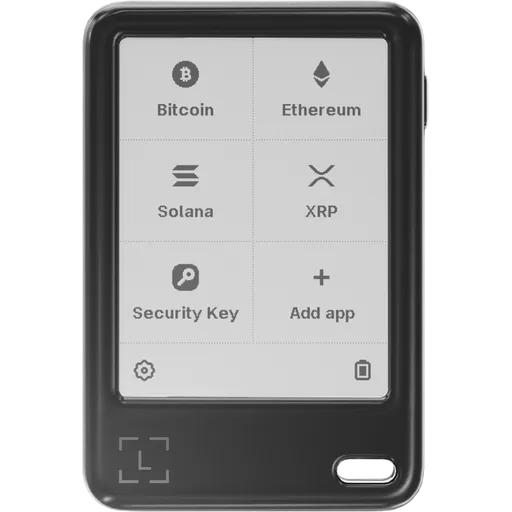
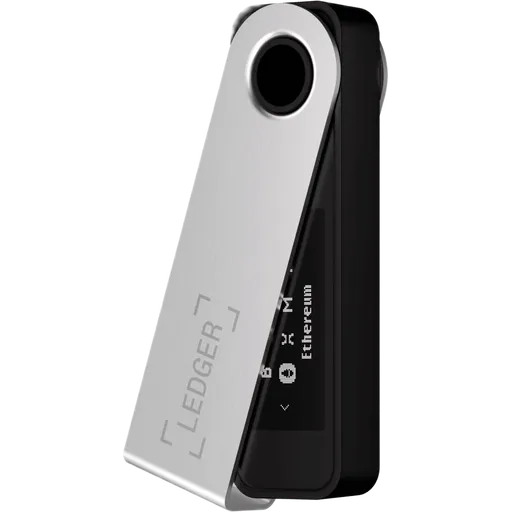
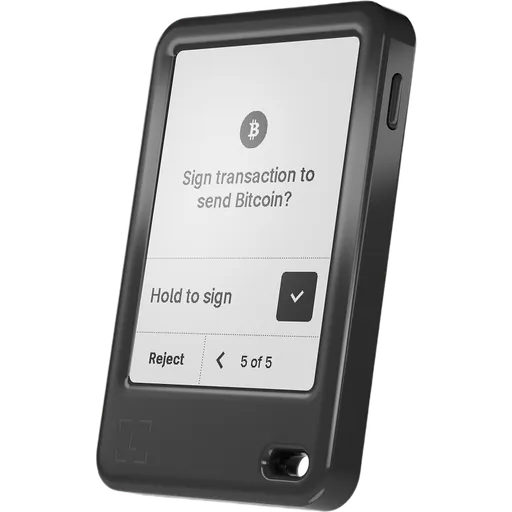
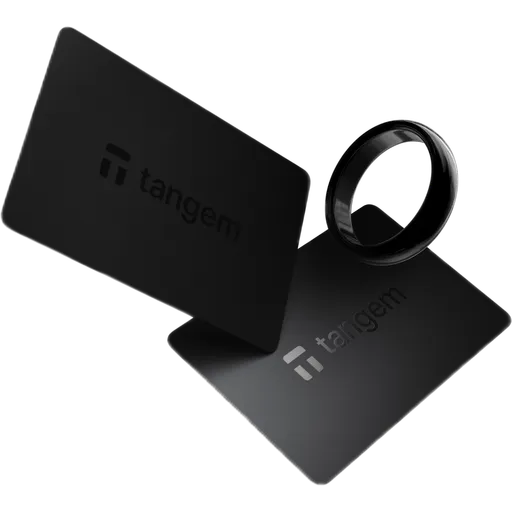
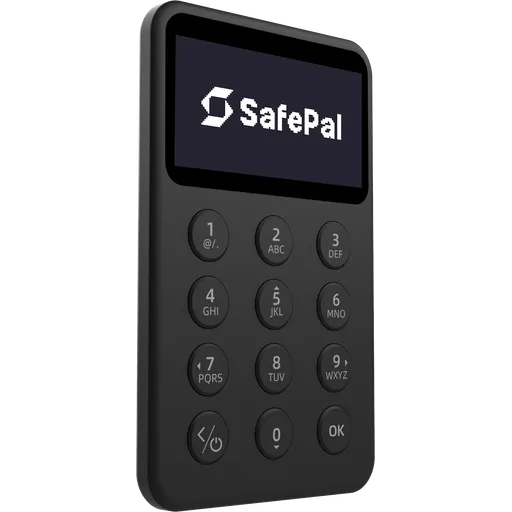
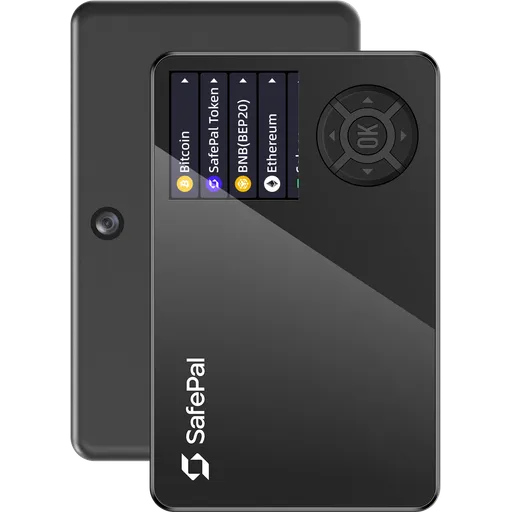
Native support: 16 of 41 wallets we have data for — OneKey Pro, OneKey Pro 2, OneKey Neo, Ledger Stax, Tangem Wallet (3 Cards) and 11 more.
Frequently Asked Questions
Which hardware wallets support Filecoin?
Why does an exchange not accept my Filecoin 0x address?
Filecoin has several address types, and not every exchange sends to every type. A 0x address belongs to the Filecoin Virtual Machine (an f4 address in Ethereum form), while some exchanges withdraw only to f1. A native Filecoin account on the hardware wallet gives an f1 address; test it with a small amount first.
Should I use a native Filecoin app or the EVM route on my hardware wallet?
A native Filecoin app uses f1 addresses, the type hardware wallets support most often. The EVM route through the Filecoin Virtual Machine widens the choice of devices but may not reach native features. Check the manufacturer's supported-assets list for the address types, and whether support is in its own app or a third-party wallet.
Why can't I send my whole displayed FIL balance?
Some FIL, such as mining rewards, vests over time, so the displayed balance may not be fully spendable yet. The fee also has to be covered: gas consists of a base fee that moves with demand plus a priority fee, so check the fee shown before confirming on the device.
Sources
Ready to Choose a Secure Wallet?
Use our tools to find the right hardware wallet for your needs.