Hedera
Hedera is a public distributed ledger that uses hashgraph consensus instead of a mined blockchain; its coin, HBAR, pays fees and can be staked without a lock-up.
What Is Hedera?
Hedera is a public distributed ledger that reaches agreement through hashgraph consensus instead of a mined blockchain. Transactions are final in three to five seconds. Fees are low and set in US dollar terms, then paid in HBAR, the native coin, which is also used for staking. The network is governed by a council of large organisations.
Accounts work differently from most networks. A Hedera account is identified by an ID such as 0.0.12345, and it has to be created by a transaction from an existing account. Setting up a hardware wallet can therefore take an extra step: some companion apps create the account automatically, others need a Hedera-compatible interface.
Devices support Hedera in two ways: natively, or through Hedera's EVM-compatible layer with Ethereum-style addresses. The route decides which features and which address format are available. Tokens issued through the Hedera Token Service are native ledger entries and not smart contracts, so check that the wallet can show and manage them. Staking HBAR to a node has no lock-up, so the coins stay spendable.
Before buying, check the manufacturer's supported-assets list for HBAR, Hedera tokens and staking, and whether support is in the manufacturer's own app or a third-party wallet. Send a test transaction first and confirm the account ID on the device screen.
A blockchain is a shared, append-only record of transactions kept by many independent computers, so no single party can rewrite it.
Read full definition: BlockchainStaking locks or delegates proof-of-stake coins to help secure a network in exchange for rewards.
Read full definition: StakingA hardware wallet is a dedicated device that keeps private keys offline and signs transactions internally, so the keys never reach an internet-connected computer or phone.
A companion app is the phone or desktop software paired with a hardware wallet: it shows balances, prepares transactions for the device to sign and installs updates.
Read full definition: Companion AppThe EVM (Ethereum Virtual Machine) runs smart contracts on Ethereum and on compatible chains, which share its address format and tooling.
Read full definition: EVMEthereum is a decentralized blockchain platform that enables smart contracts and decentralized applications (dApps). Its native cryptocurrency is Ether (ETH).
Read full definition: EthereumA token is a digital asset on a blockchain that represents value, ownership, utility, or access rights. Examples include ERC-20 tokens on Ethereum.
Read full definition: TokenLedger is a brand of hardware wallets that securely store cryptocurrency private keys offline, such as the Ledger Nano series.
Read full definition: LedgerA smart contract is a program stored on a blockchain that runs exactly as written when a transaction calls it.
Read full definition: Smart ContractA node is a computer running blockchain software that connects to the network, validates transactions, and maintains a copy of the ledger.
Read full definition: NodeA test transaction is a small transfer sent before a large one to confirm the address, network and wallet setup work as expected.
Read full definition: Test TransactionReal-World Examples
Example 1: A user adds Hedera in the companion app of a hardware wallet. The app creates the account and shows its ID. She withdraws a small amount of HBAR from an exchange to that ID, and sends the rest once it arrives.
Example 2: An HBAR holder stakes to a network node from a hardware wallet. A month later he sends part of the balance straight away, because staked HBAR is not locked.
A companion app is the phone or desktop software paired with a hardware wallet: it shows balances, prepares transactions for the device to sign and installs updates.
Read full definition: Companion AppA hardware wallet is a dedicated device that keeps private keys offline and signs transactions internally, so the keys never reach an internet-connected computer or phone.
A node is a computer running blockchain software that connects to the network, validates transactions, and maintains a copy of the ledger.
Read full definition: NodeHardware wallets that support Hedera
Browse wallets grouped by this feature
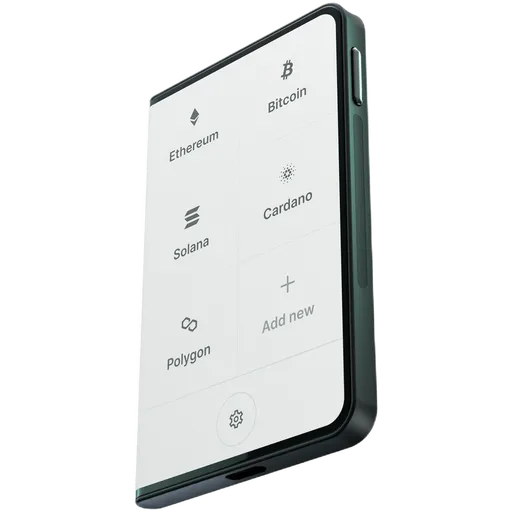
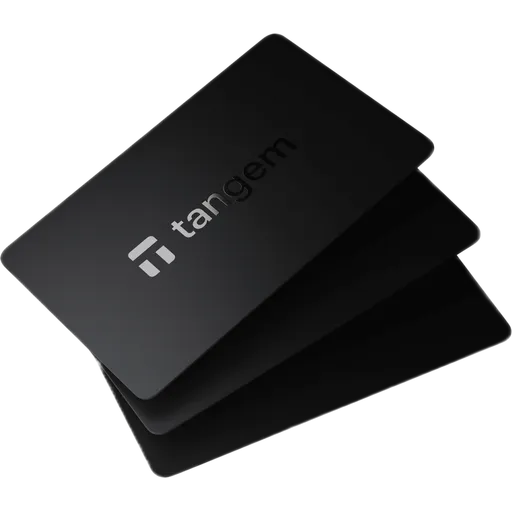
−32%via this link
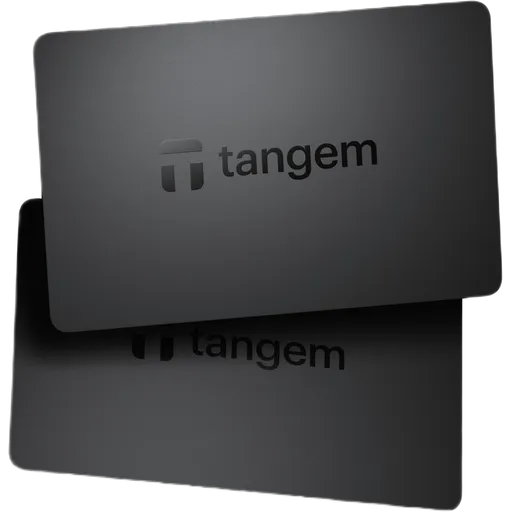
−32%via this link
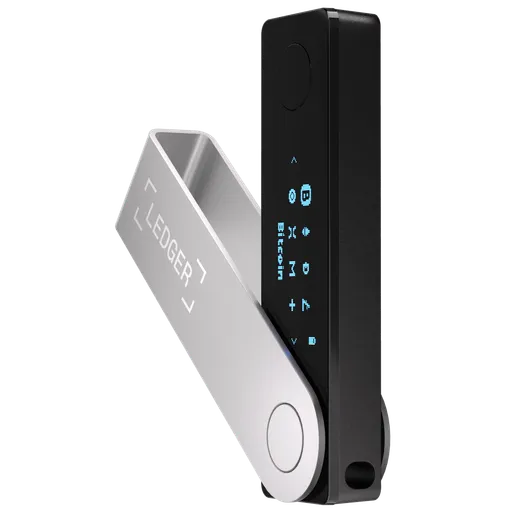
−32%via this link
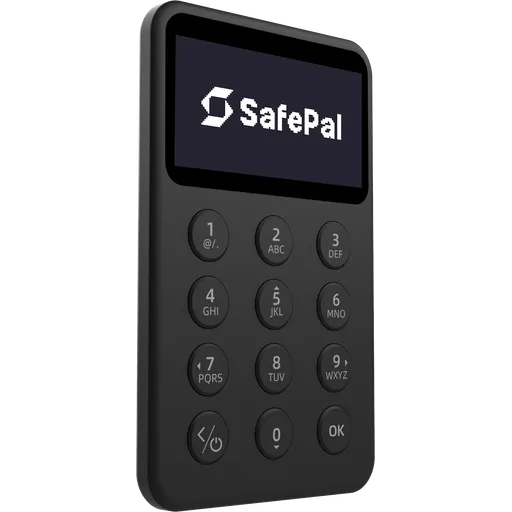
−$40code
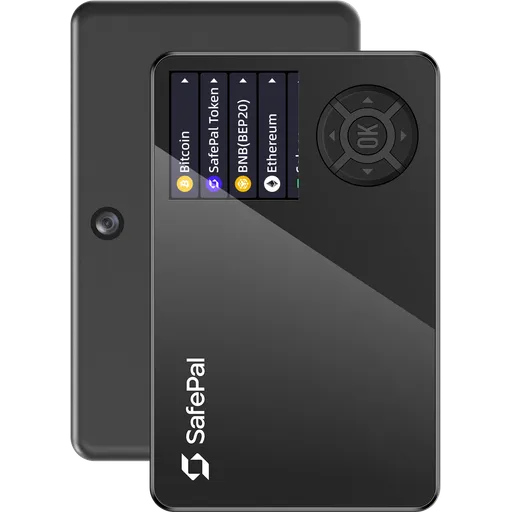

−$10store sale

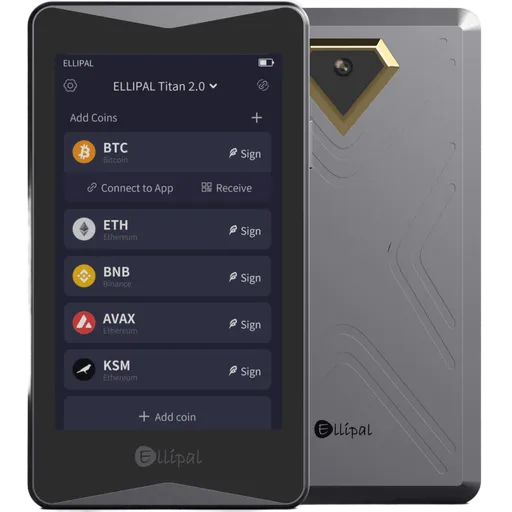
−$40store sale

−$49store sale
Affiliate link — we may earn a commission at no extra cost to you. Learn more about affiliate links
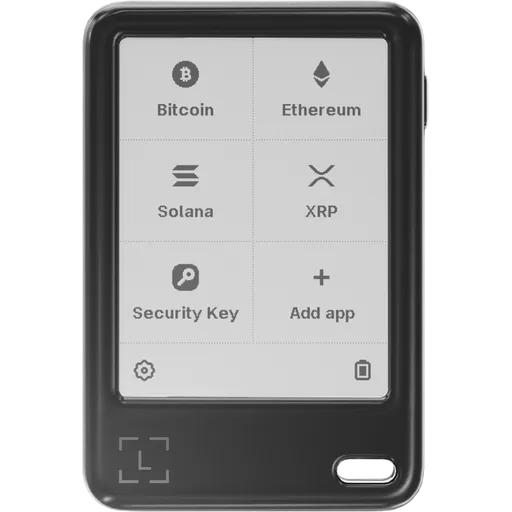
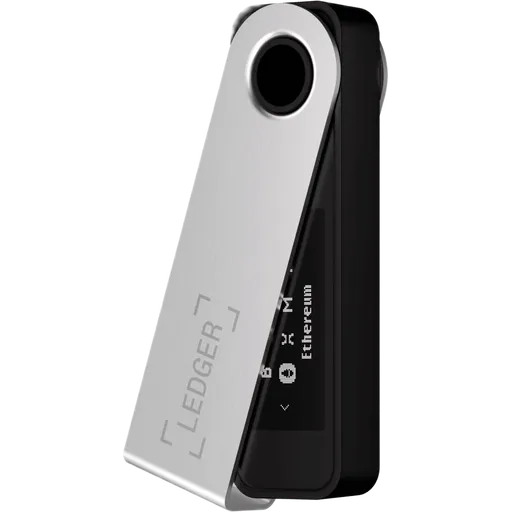
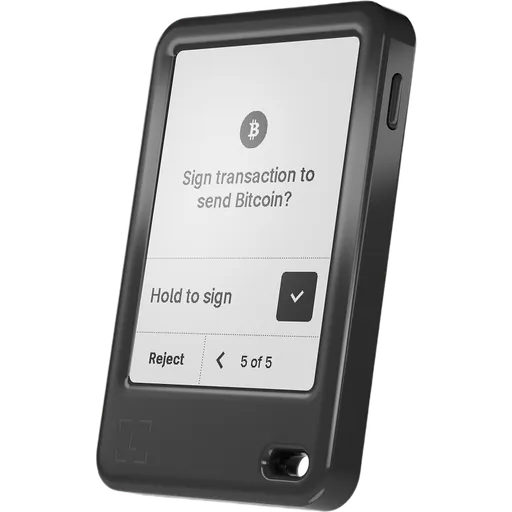
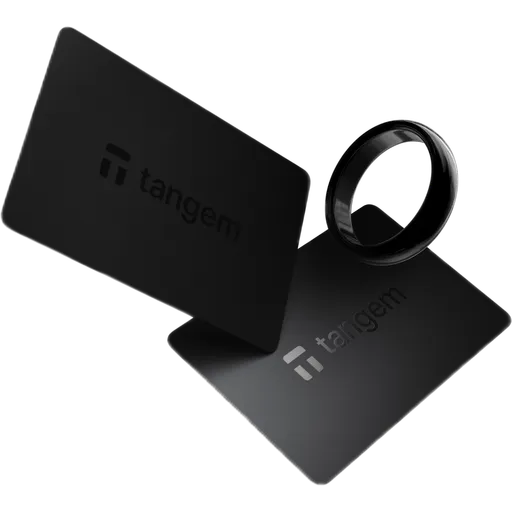
Native support: 14 of 41 wallets we have data for — Ledger Stax, Tangem Wallet (3 Cards), Ledger Nano X, Tangem Wallet (2 Cards), Ledger Nano Gen5 and 9 more.
Frequently Asked Questions
Which hardware wallets support Hedera?
Why does setting up Hedera on a hardware wallet sometimes need an extra step?
Because a Hedera account is identified by an ID such as 0.0.12345 and has to be created by a transaction from an existing account. Some companion apps create the account automatically; others need a Hedera-compatible interface. Once the account exists, confirm its ID on the device screen and send a small test transaction first.
Does staking HBAR from a hardware wallet lock the coins?
No. Staking HBAR to a network node has no lock-up, so the coins stay spendable while they are staked, and you can send part of the balance at any time. Before relying on it, check the manufacturer's supported-assets list to see whether staking is offered in the manufacturer's own app or only through a third-party wallet.
What is the difference between native Hedera support and support through the EVM layer?
Devices support Hedera either natively or through Hedera's EVM-compatible layer, which uses Ethereum-style addresses. The route decides which features and which address format you get. Tokens issued through the Hedera Token Service are native ledger entries, not smart contracts, so check that your wallet can actually show and manage them.
Ready to Choose a Secure Wallet?
Use our tools to find the right hardware wallet for your needs.