Kaspa
Kaspa is a proof-of-work cryptocurrency built on the GHOSTDAG protocol, a blockDAG that keeps and orders blocks mined in parallel to reach fast confirmations; its coin is KAS.
What Is Kaspa?
Kaspa (KAS) is a proof-of-work cryptocurrency built on the GHOSTDAG protocol. Instead of a single chain in which competing blocks are discarded, it uses a blockDAG: blocks produced in parallel are kept and put in order. This allows a very high block rate and fast confirmations. Kaspa launched without a pre-mine or pre-sale.
Kaspa uses the UTXO model, like Bitcoin, and its addresses start with kaspa:. It is a mining network with no staking, so KAS in a wallet earns nothing and holding it on a hardware wallet comes down to receiving, storing and sending.
Support differs from device to device. Some manufacturers handle Kaspa in their own app, some only through a third-party wallet that uses the device as a signer, and some not at all. Check the manufacturer's supported-assets list, and note which app is needed, before buying a device for KAS.
When moving coins from an exchange or a mining pool, display the receiving address on the device and send a small test transaction first. Frequent small payouts leave many small outputs in the wallet, which may have to be combined before a large amount can be sent. The backup is the device's usual recovery phrase; restoring it elsewhere only shows the coins if that wallet supports Kaspa too.
Cryptocurrency is a digital or virtual currency secured by cryptography, operating on decentralized blockchain networks to enable secure, peer-to-peer transactions.
UTXO (Unspent Transaction Output) is a unit of cryptocurrency from a previous transaction that remains unspent and serves as input for new transactions in blockchains like Bitcoin.
Read full definition: UTXOBitcoin (BTC) is the first decentralized cryptocurrency, launched in 2009. It uses blockchain technology for secure, peer-to-peer digital transactions without intermediaries.
Read full definition: BitcoinMining uses computational power to solve puzzles, validate transactions, and add blocks to a blockchain. Miners earn cryptocurrency rewards for securing the network.
Read full definition: MiningStaking locks or delegates proof-of-stake coins to help secure a network in exchange for rewards.
Read full definition: StakingA hardware wallet is a dedicated device that keeps private keys offline and signs transactions internally, so the keys never reach an internet-connected computer or phone.
A wallet address is the public identifier others use to send you crypto. It is derived from a public key and is safe to share.
Read full definition: Wallet AddressA test transaction is a small transfer sent before a large one to confirm the address, network and wallet setup work as expected.
Read full definition: Test TransactionA backup in cryptocurrency is a secure copy of a wallet's seed phrase or private keys. It enables recovery of funds if the original wallet is lost or damaged.
Read full definition: BackupA mnemonic phrase is a set of words that stores a cryptocurrency wallet's private keys, allowing users to recover access if lost.
Read full definition: Mnemonic PhraseReal-World Examples
Example 1: A miner sets the pool's payout address to one shown on a hardware wallet. After months of small payouts he combines the outputs into one before sending a larger amount to an exchange.
Example 2: Before ordering a device, a buyer checks the manufacturer's supported-assets list and sees that Kaspa works only through a third-party wallet, not in the manufacturer's own app.
A hardware wallet is a dedicated device that keeps private keys offline and signs transactions internally, so the keys never reach an internet-connected computer or phone.
Hardware wallets that support Kaspa
Browse wallets grouped by this feature



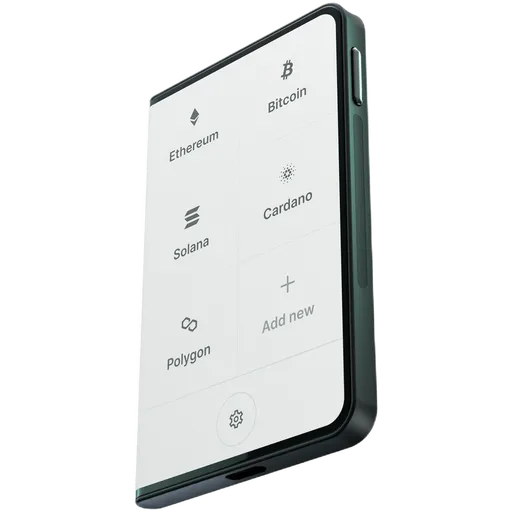
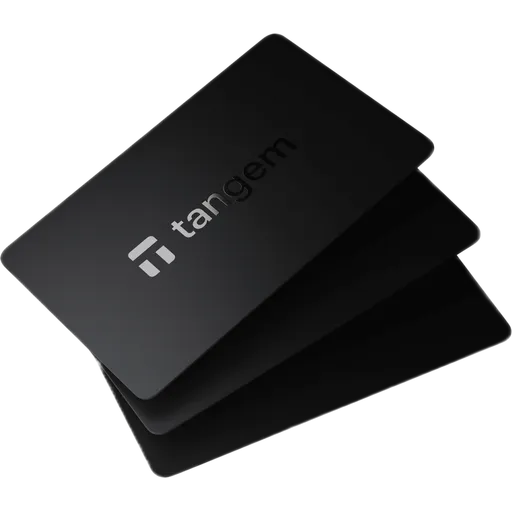
−32%via this link

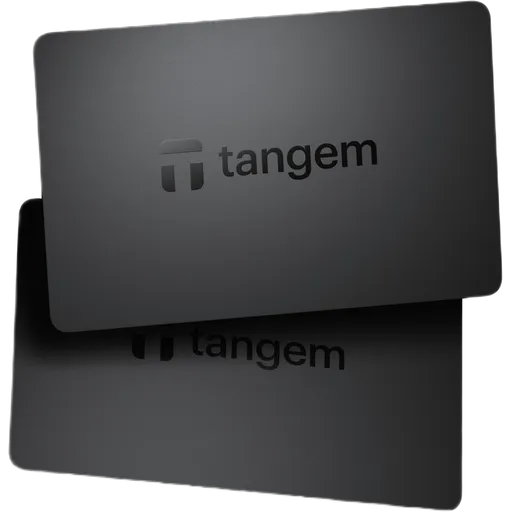
−32%via this link
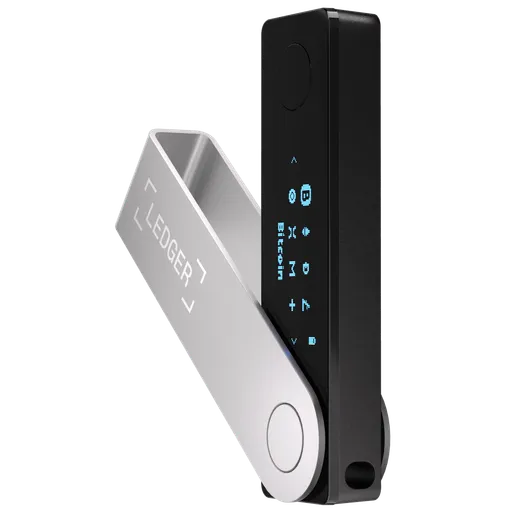

−32%via this link
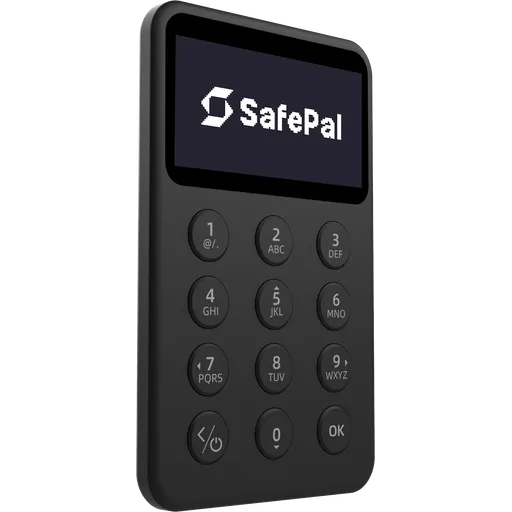
−$40code
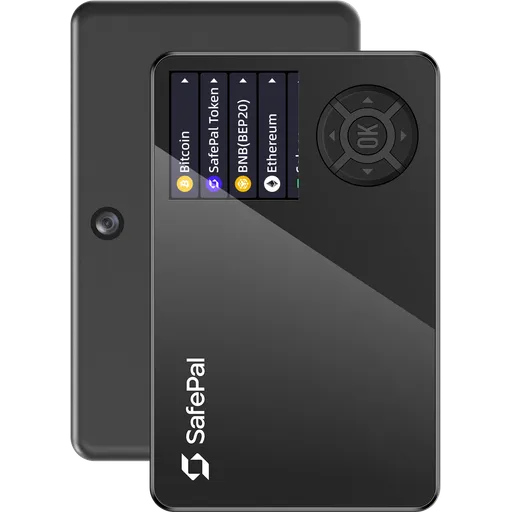

−$10store sale

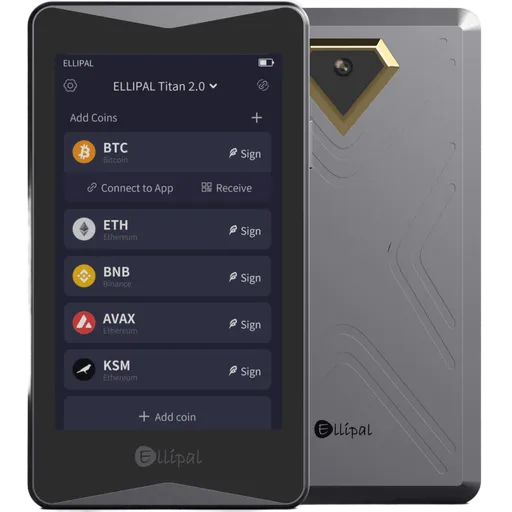
−$40store sale

−$49store sale

Affiliate link — we may earn a commission at no extra cost to you. Learn more about affiliate links
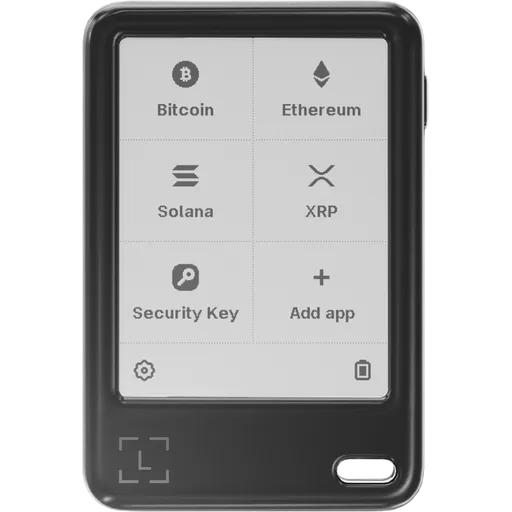
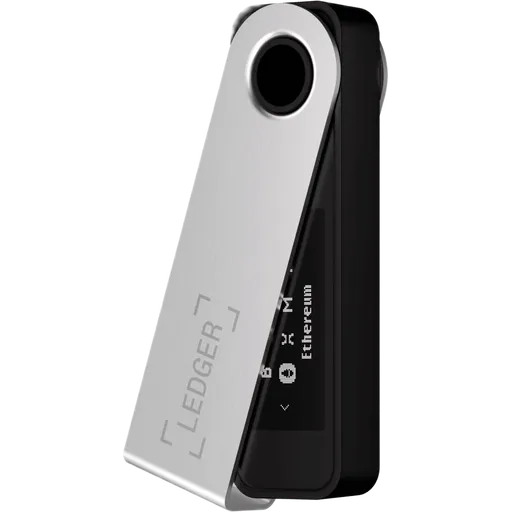
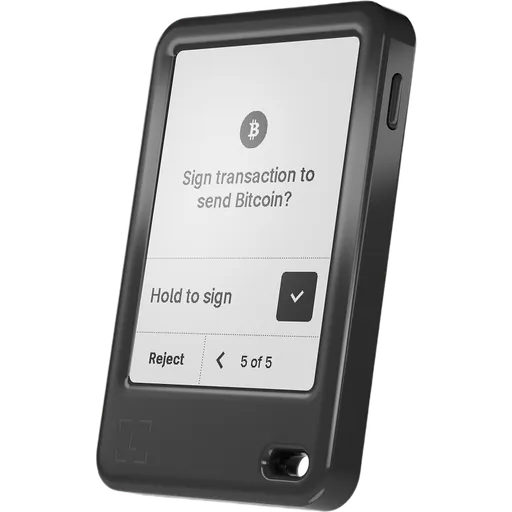
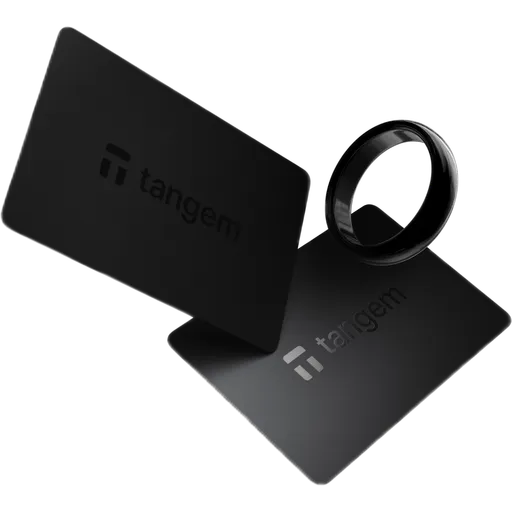
Native support: 20 of 41 wallets we have data for — OneKey Pro, OneKey Pro 2, OneKey Neo, Ledger Stax, Tangem Wallet (3 Cards) and 15 more.
Frequently Asked Questions
Which hardware wallets support Kaspa?
Can I stake KAS held on a hardware wallet?
No. Kaspa is a proof-of-work mining network with no staking, so KAS in a wallet earns nothing. Holding it on a hardware wallet comes down to receiving, storing and sending. Support also differs between devices: some handle Kaspa in the manufacturer's own app, others only through a third-party wallet that uses the device as a signer.
Why may I need to combine outputs after many mining payouts?
Kaspa uses the UTXO model, like Bitcoin. Frequent small payouts from a mining pool leave many small outputs in the wallet, and these may have to be combined before a large amount can be sent. Consolidating them into one output first makes the later transfer to an exchange or another wallet possible.
Will my KAS appear if I restore the recovery phrase in another wallet?
Only if that wallet supports Kaspa too. The backup is the device's usual recovery phrase, so the keys can be rebuilt elsewhere, but a wallet without Kaspa support will not show the coins. Check the supported-assets list, and which app is needed, before relying on another device or app.
Sources
Ready to Choose a Secure Wallet?
Use our tools to find the right hardware wallet for your needs.