Secure Element
A secure element is a tamper-resistant chip built to store secrets and resist physical attacks such as side-channel analysis and fault injection.
What Is a Secure Element?
A secure element (SE) is a tamper-resistant microcontroller of the kind used in bank cards and passports. It is designed to keep secrets inside even when an attacker has the device on a lab bench, with countermeasures against side-channel analysis (reading power use or electromagnetic emissions) and fault injection (glitching voltage or clock).
Secure elements are usually certified under Common Criteria; hardware wallet makers commonly cite EAL5+ or EAL6+. Designs differ: some keep the seed inside the secure element, others keep it encrypted on the main processor and use the secure element to guard the PIN or a decryption secret.
The trade-off is transparency. Secure element vendors often require non-disclosure agreements, so the code running on the chip is frequently closed source even when the rest of the firmware is open.
Fault injection disturbs a chip's voltage, clock or electromagnetic environment so that it skips a security check or leaks data.
Read full definitionEAL Certification (Evaluation Assurance Level) from Common Criteria rates the security of hardware components, like secure chips in crypto hardware wallets. Higher levels, such as EAL5+ or EAL6+, indicate stronger resistance to attacks.
Read full definitionPIN Protection is a security feature that requires a personal identification number (PIN) to access a cryptocurrency wallet or device, preventing unauthorized access.
Read full definitionFirmware is the software that runs on a hardware wallet itself: it generates keys, shows transaction details on the screen and signs.
Read full definitionReal-World Examples
Example 1: A thief with lab equipment tries to read the seed from a stolen device. A secure element is built to make that extraction impractical.
Example 2: Two wallets both list a secure element, but one stores the seed in it and the other only stores a PIN-protected decryption key in it.
PIN Protection is a security feature that requires a personal identification number (PIN) to access a cryptocurrency wallet or device, preventing unauthorized access.
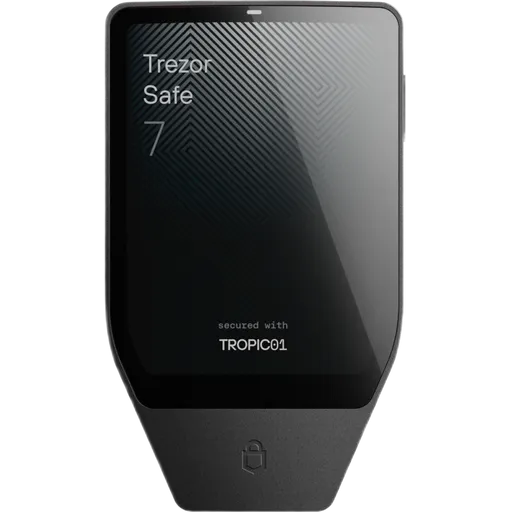
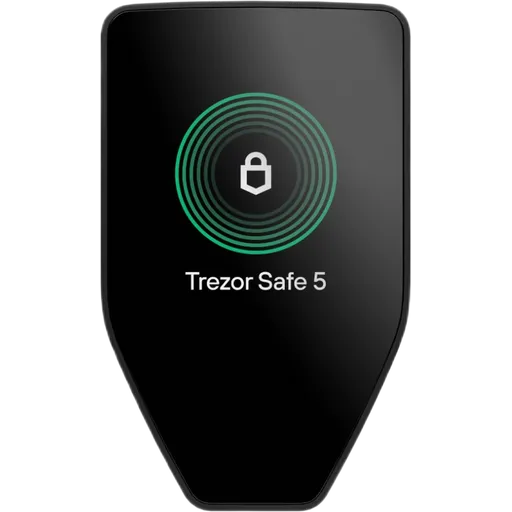
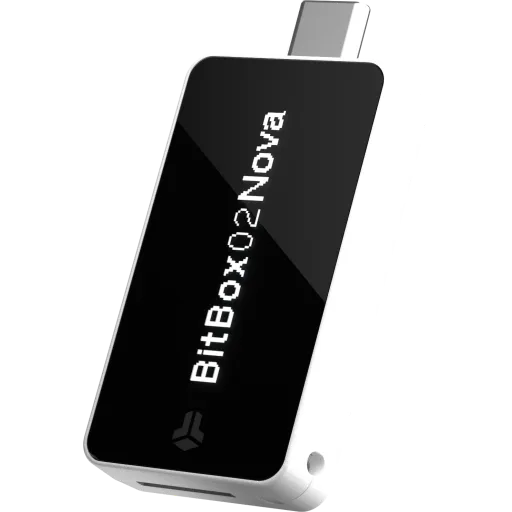
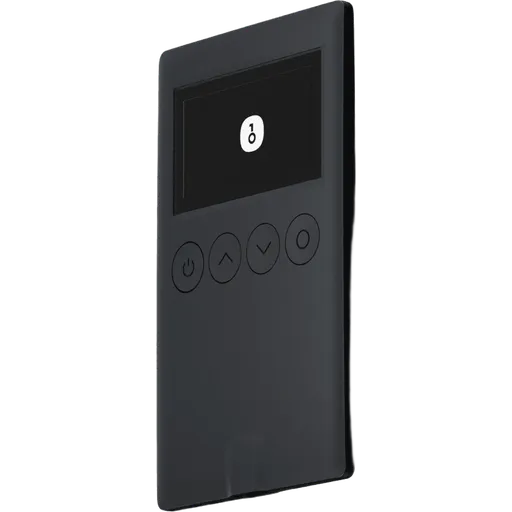
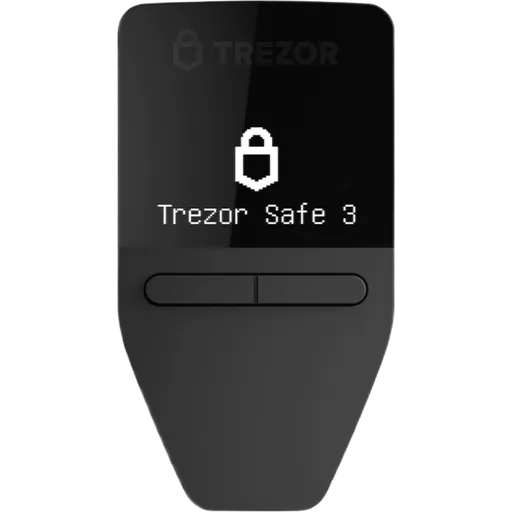
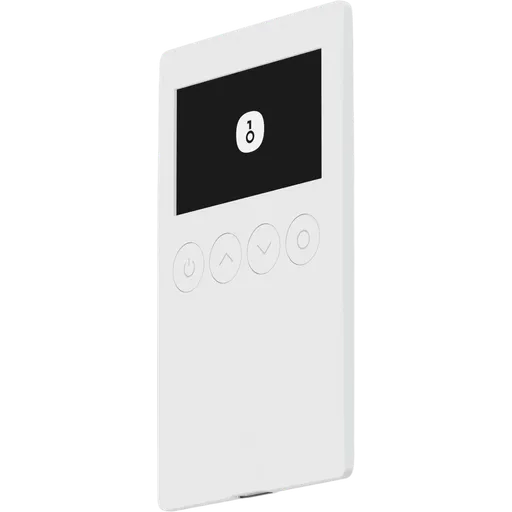
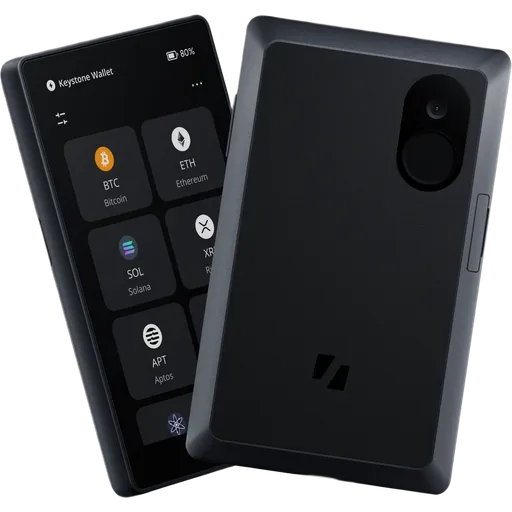
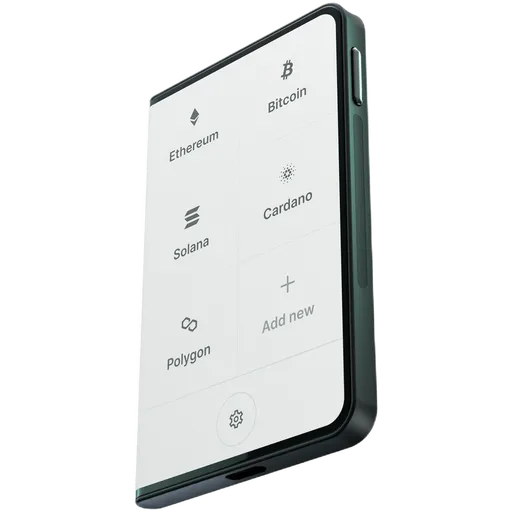
Read full definitionHardware Wallets by Secure Element
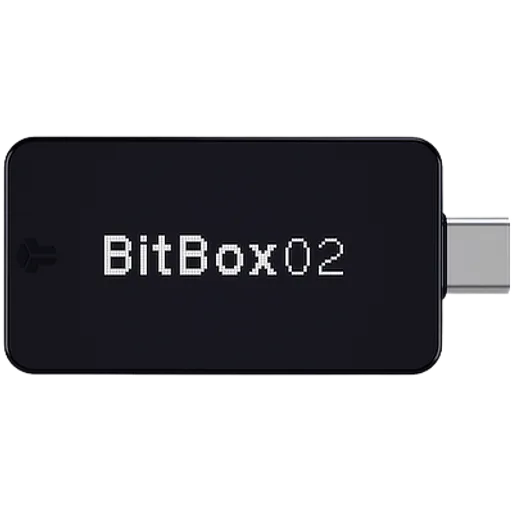
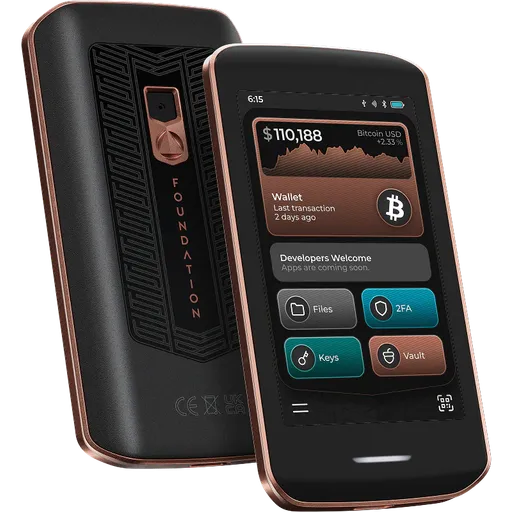
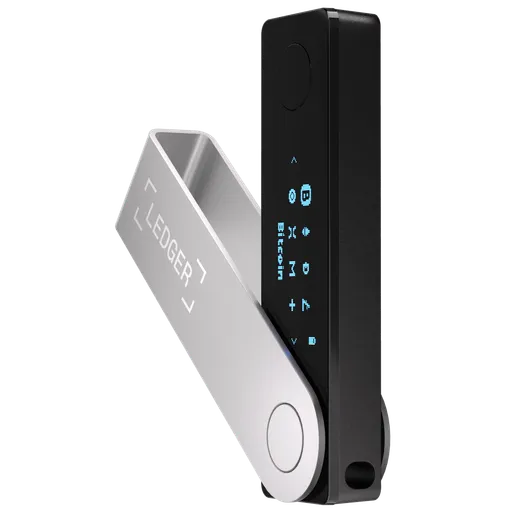
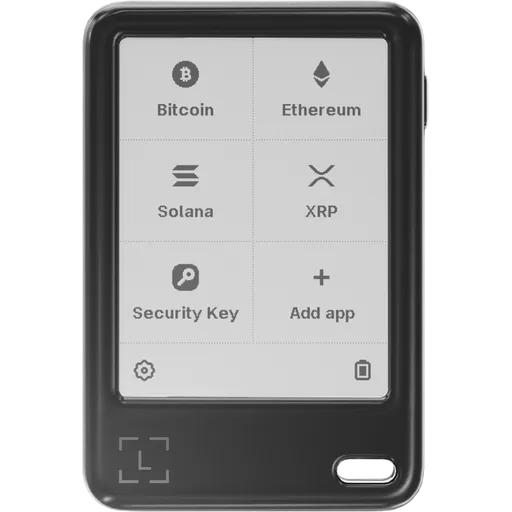
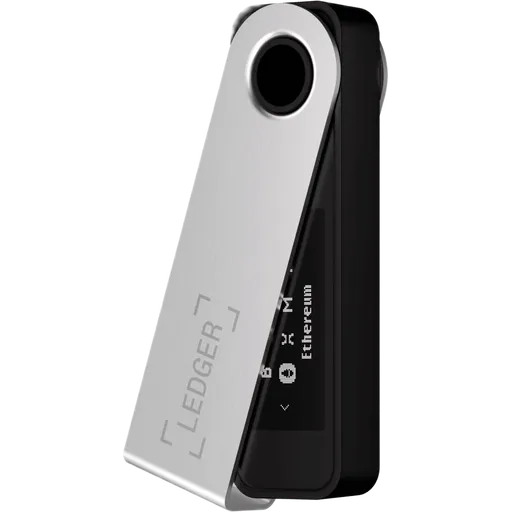
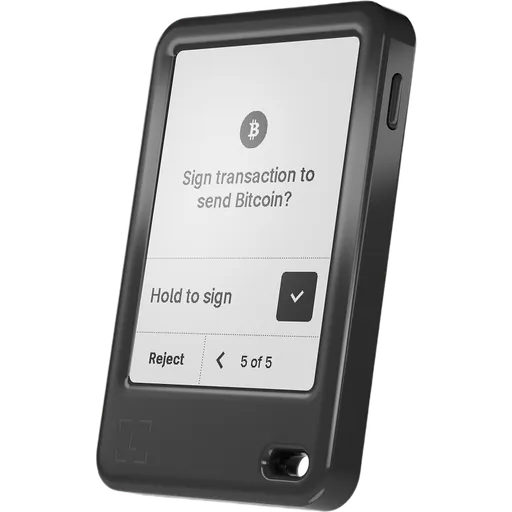
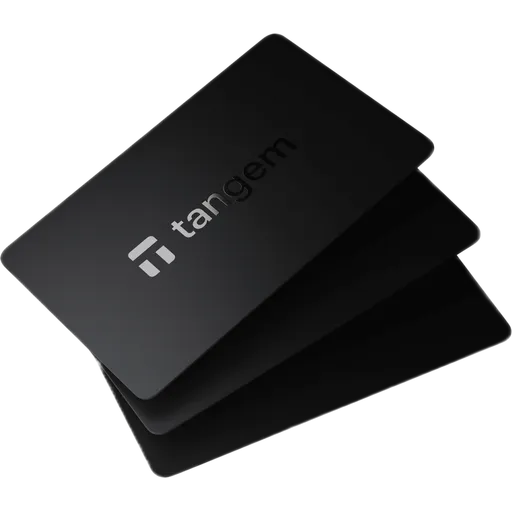
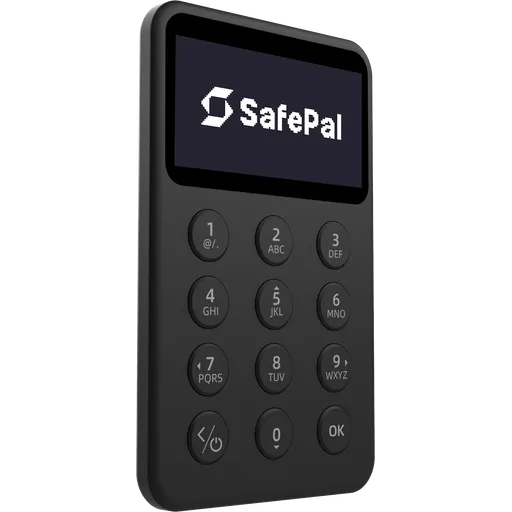
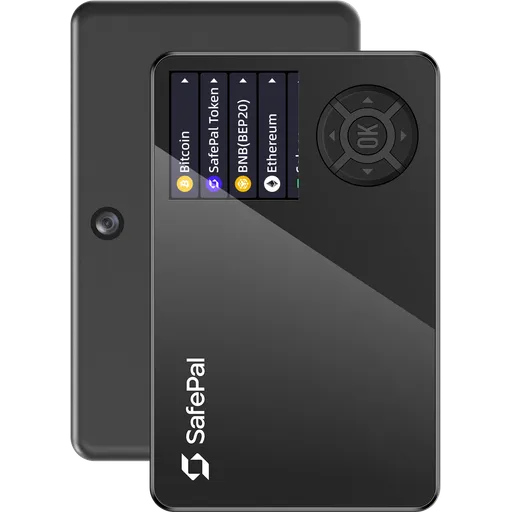
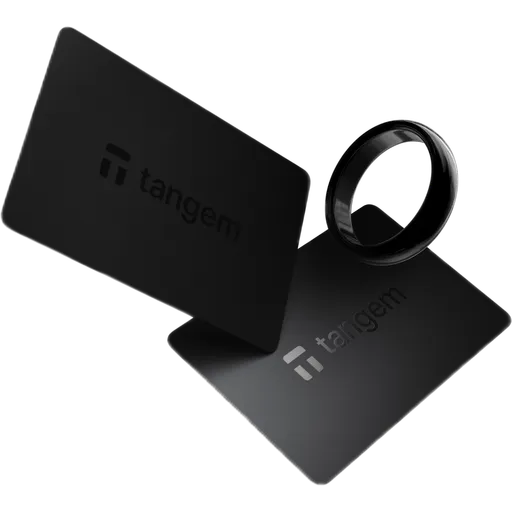
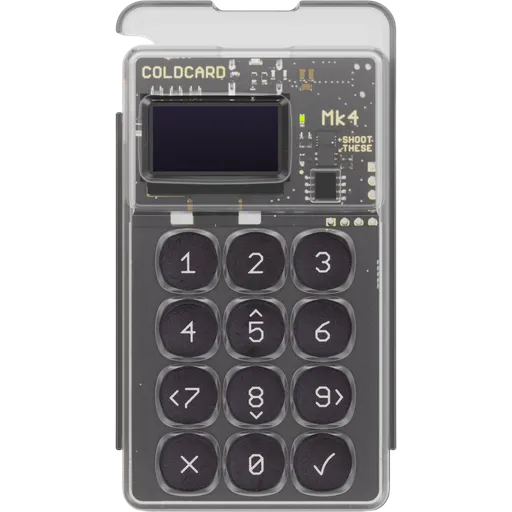
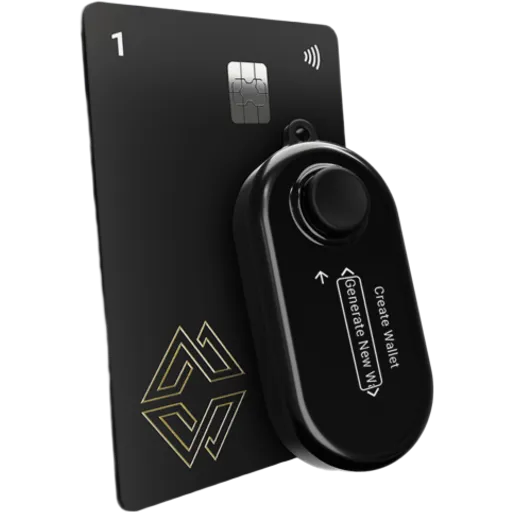
Browse wallets grouped by this feature









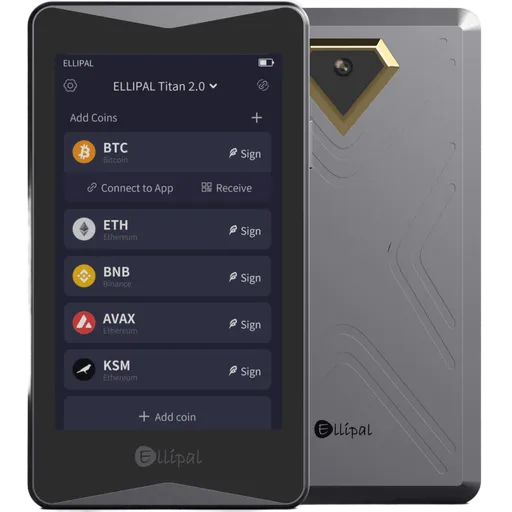
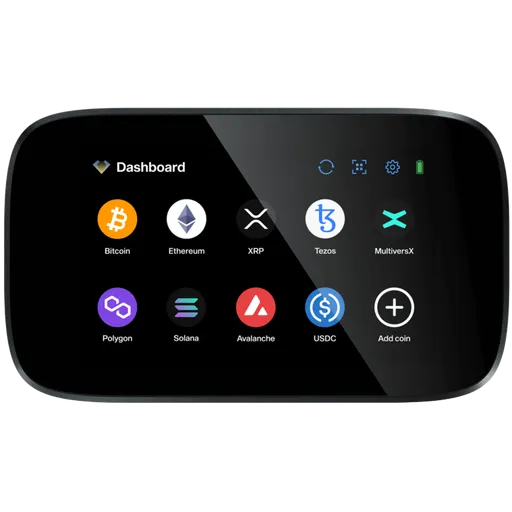
Affiliate link — we may earn a commission at no extra cost to you. Learn more
Ready to Choose a Secure Wallet?
Use our tools to find the right hardware wallet for your needs.