Stellar
Stellar is an open-source payment network for fast, low-cost transfers and tokenised assets; its native coin, XLM, pays fees and funds the minimum balance each account must hold.
What Is Stellar?
Stellar is an open-source payment network built for fast, cheap cross-border transfers and for issuing tokenised assets. Its native coin, XLM (the lumen), pays transaction fees and acts as a bridge between currencies. Payments settle in three to five seconds for a fraction of a cent. There is no mining: validators agree on transactions through the Stellar Consensus Protocol.
Accounts have rules that differ from Bitcoin or Ethereum. An account must hold at least 1 XLM to exist, plus 0.5 XLM for every trust line. A trust line is required to hold any asset other than XLM, such as a stablecoin. These reserves stay locked while the account is active.
Many payments also need a memo. Exchanges and custodial services often use one address for all customers and identify each deposit by its memo, so a transfer without the correct memo may be lost.
A hardware wallet holds the account's key and signs each operation. Support comes from the manufacturer's own app or from a third-party Stellar wallet that connects to the device. Check the manufacturer's supported-assets list, including whether Stellar tokens and trust lines are covered and not only XLM. Before a large transfer, send a test transaction and confirm destination and memo on the device screen.
A transaction fee is a cost paid to process transactions on a blockchain network. It compensates miners or validators for confirming and adding transactions to the blockchain.
Read full definition: Transaction FeeA bridge in blockchain allows assets or data to move between different blockchains, enabling interoperability between otherwise separate networks.
Read full definition: BridgeMining uses computational power to solve puzzles, validate transactions, and add blocks to a blockchain. Miners earn cryptocurrency rewards for securing the network.
Read full definition: MiningA validator is a node in a proof-of-stake blockchain that stakes cryptocurrency to verify transactions, propose blocks, and secure the network.
Read full definition: ValidatorBitcoin (BTC) is the first decentralized cryptocurrency, launched in 2009. It uses blockchain technology for secure, peer-to-peer digital transactions without intermediaries.
Read full definition: BitcoinEthereum is a decentralized blockchain platform that enables smart contracts and decentralized applications (dApps). Its native cryptocurrency is Ether (ETH).
Read full definition: EthereumA stablecoin is a cryptocurrency designed to maintain a stable value, typically pegged to a fiat currency like the US dollar or backed by reserves.
Crypto custody is the secure storage and management of cryptocurrency private keys, often provided by specialized custodial services.
Read full definition: Crypto CustodyA hardware wallet is a dedicated device that keeps private keys offline and signs transactions internally, so the keys never reach an internet-connected computer or phone.
A token is a digital asset on a blockchain that represents value, ownership, utility, or access rights. Examples include ERC-20 tokens on Ethereum.
Read full definition: TokenA test transaction is a small transfer sent before a large one to confirm the address, network and wallet setup work as expected.
Read full definition: Test TransactionReal-World Examples
Example 1: A user creates a Stellar account on a hardware wallet and funds it with 20 XLM. One XLM stays locked as the account reserve, and adding a trust line for a stablecoin locks another 0.5 XLM.
Example 2: When sending XLM back to an exchange, a user copies the deposit address and the memo, then checks both on the hardware wallet's screen before confirming.
A hardware wallet is a dedicated device that keeps private keys offline and signs transactions internally, so the keys never reach an internet-connected computer or phone.
A stablecoin is a cryptocurrency designed to maintain a stable value, typically pegged to a fiat currency like the US dollar or backed by reserves.
A wallet address is the public identifier others use to send you crypto. It is derived from a public key and is safe to share.
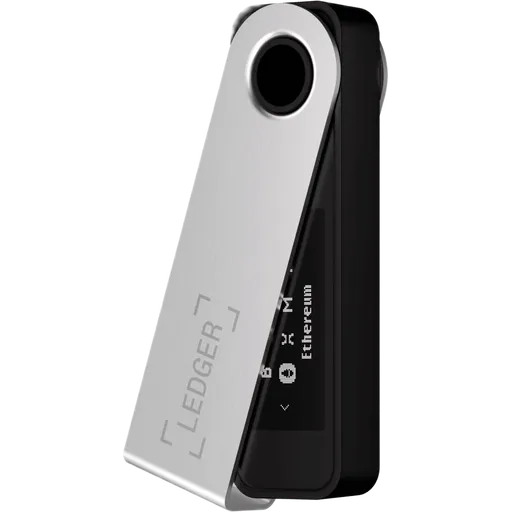
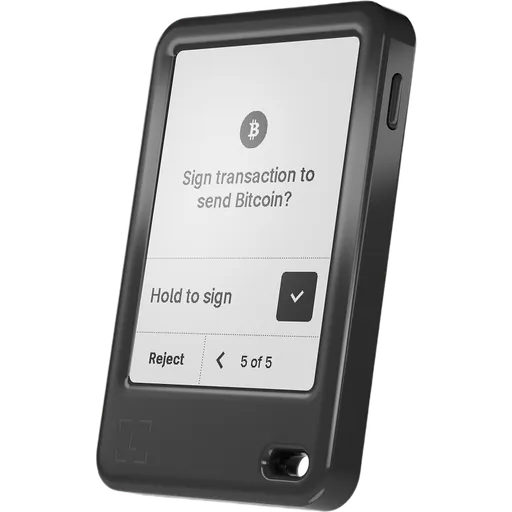
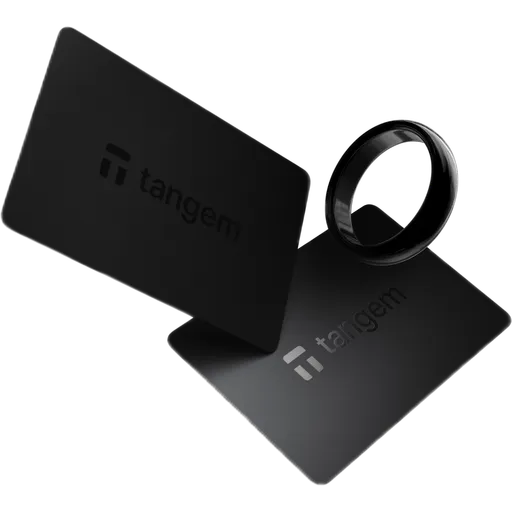
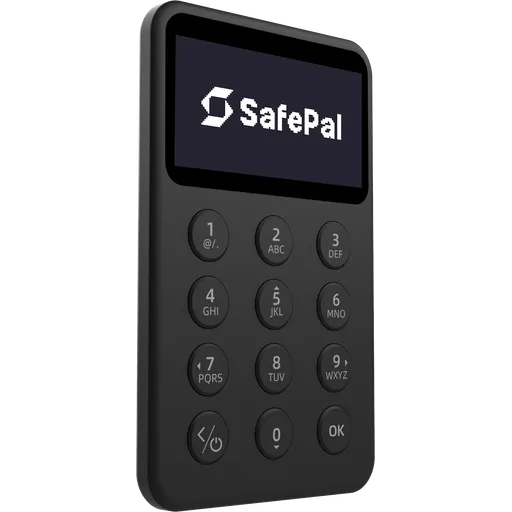
Read full definition: Wallet AddressHardware wallets that support Stellar
Browse wallets grouped by this feature
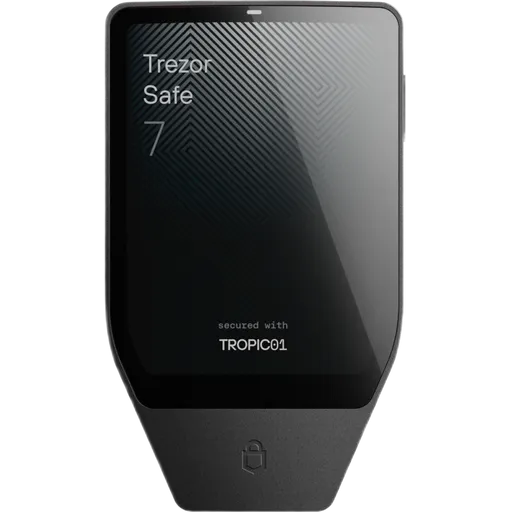
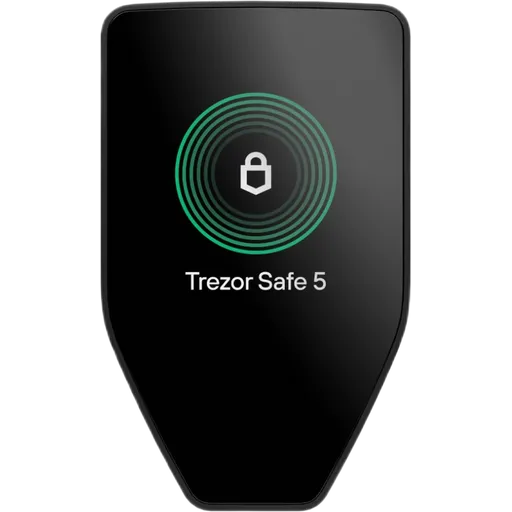

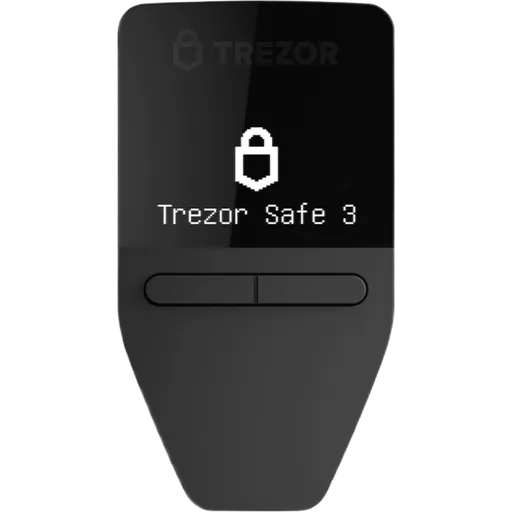
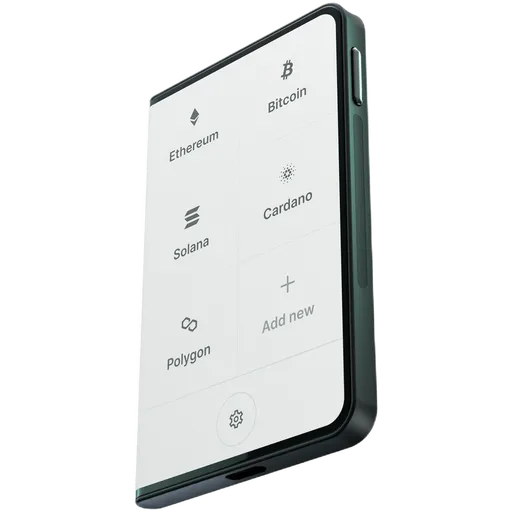
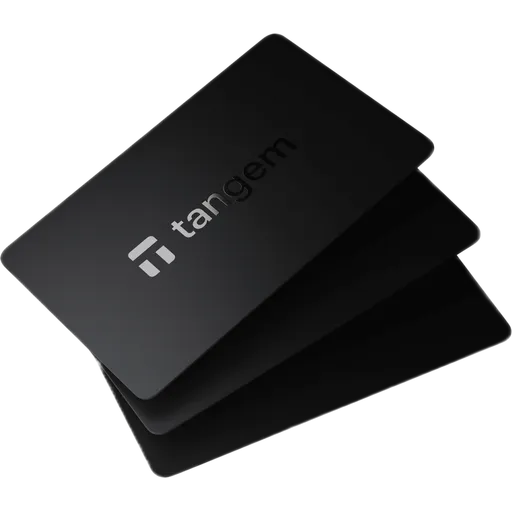
−32%via this link

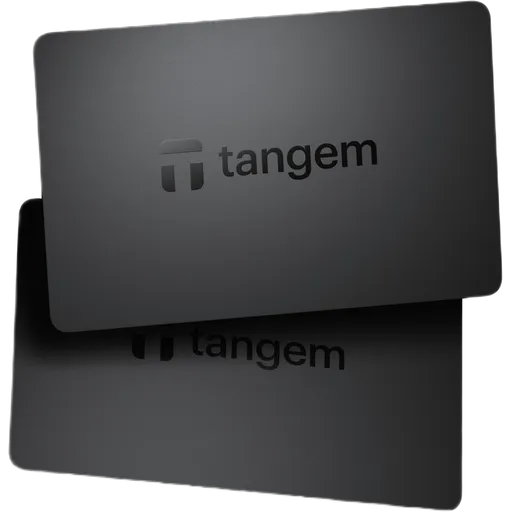
−32%via this link
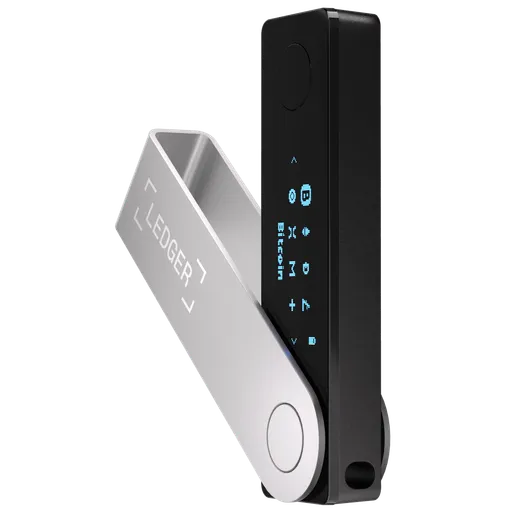
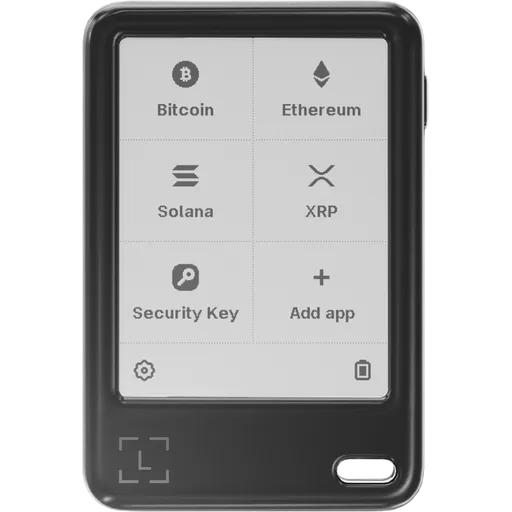

−32%via this link
−$40code

−$10store sale

−$40store sale

−$49store sale


Affiliate link — we may earn a commission at no extra cost to you. Learn more about affiliate links
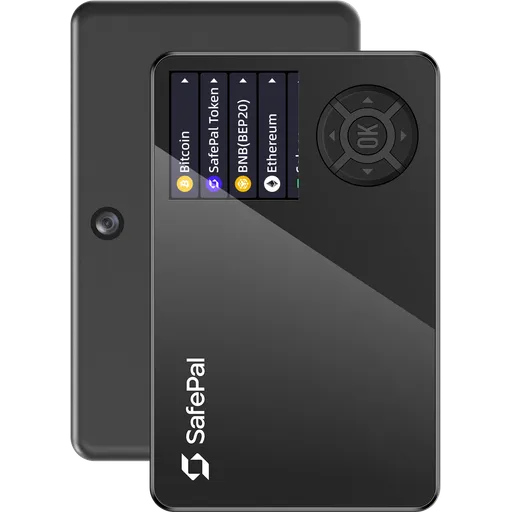
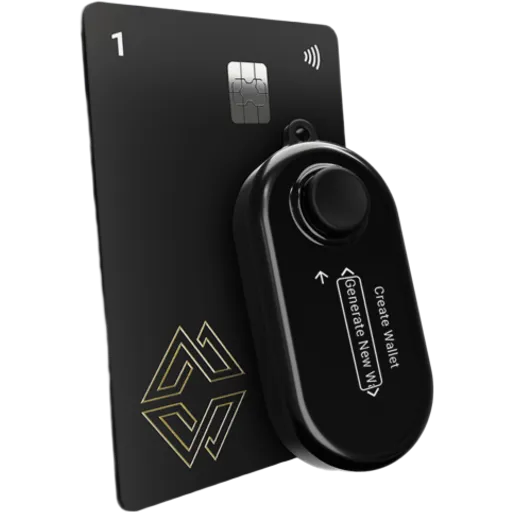
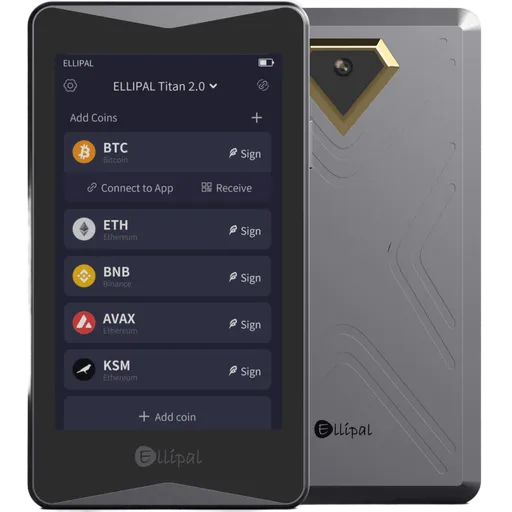
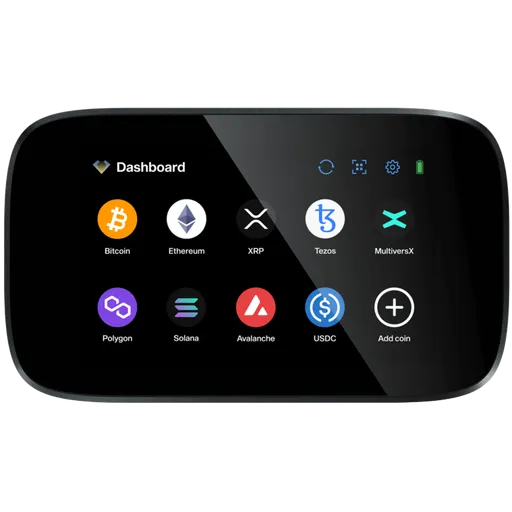
Native support: 25 of 41 wallets we have data for — Trezor Safe 7, Trezor Safe 5, OneKey Pro, Trezor Safe 3, Ledger Stax and 20 more.
Frequently Asked Questions
Which hardware wallets support Stellar?
Why can't I send my whole XLM balance from a Stellar account?
Because part of it is reserved. A Stellar account must hold at least 1 XLM to exist, plus 0.5 XLM for every trust line, and these reserves stay locked while the account is active. With one stablecoin trust line, for example, 1.5 XLM of the balance cannot be spent.
What happens if I send XLM to an exchange without the memo?
The transfer may be lost. Exchanges and custodial services often use one address for all customers and identify each deposit by its memo. Copy both the deposit address and the memo, check both on the hardware wallet's screen before confirming, and send a test transaction before a large transfer.
Does hardware wallet support for XLM also cover Stellar tokens?
Not necessarily. Holding any asset other than XLM, such as a stablecoin, requires a trust line, and support may cover only XLM. Check the manufacturer's supported-assets list for Stellar tokens and trust lines. Support comes either from the manufacturer's own app or from a third-party Stellar wallet that connects to the device.
Ready to Choose a Secure Wallet?
Use our tools to find the right hardware wallet for your needs.