Tezos
Tezos is a proof-of-stake blockchain that upgrades itself through on-chain votes; holders of its coin, XTZ, can delegate to a validator (baker) without giving up custody.
What Is Tezos?
Tezos (XTZ) is a proof-of-stake blockchain known for on-chain governance. Protocol upgrades are proposed, voted on and adopted by the network itself, without contentious hard forks. Its coin is XTZ, also called tez.
Validators on Tezos are called bakers. A holder who does not want to run one can delegate XTZ to a baker and share in its rewards. Delegation does not hand the coins over: they stay in the holder's account, and the baker cannot move them.
That makes Tezos a natural fit for a hardware wallet. The device signs transfers and the delegation operation, and the private key stays offline while the coins take part in consensus. Account addresses start with tz1, tz2, tz3 or tz4, depending on the type of key; smart contracts start with KT1.
Support is either native, in the manufacturer's own app, or comes through a third-party Tezos wallet that uses the device as a signer. Check the manufacturer's supported-assets list, and whether delegation and Tezos tokens are covered and not only transfers. When funding the wallet, confirm the address on the device screen and send a small test transaction before the full amount.
A blockchain is a shared, append-only record of transactions kept by many independent computers, so no single party can rewrite it.
Read full definition: BlockchainA DAO (Decentralized Autonomous Organization) is a blockchain-based entity governed by smart contracts and token holder votes, enabling decentralized decision-making without central authority.
A fork is a blockchain split into two chains due to protocol changes or disagreements. Hard forks create permanent divergences; soft forks are backward-compatible.
Read full definition: ForkA validator is a node in a proof-of-stake blockchain that stakes cryptocurrency to verify transactions, propose blocks, and secure the network.
Read full definition: ValidatorStaking locks or delegates proof-of-stake coins to help secure a network in exchange for rewards.
Read full definition: StakingA hardware wallet is a dedicated device that keeps private keys offline and signs transactions internally, so the keys never reach an internet-connected computer or phone.
A private key is the secret number that proves ownership of a crypto address and signs its transactions. Whoever has it controls the funds.
A smart contract is a program stored on a blockchain that runs exactly as written when a transaction calls it.
Read full definition: Smart ContractA token is a digital asset on a blockchain that represents value, ownership, utility, or access rights. Examples include ERC-20 tokens on Ethereum.
Read full definition: TokenA test transaction is a small transfer sent before a large one to confirm the address, network and wallet setup work as expected.
Read full definition: Test TransactionReal-World Examples
Example 1: A holder picks a baker in the wallet app and confirms the delegation on the hardware wallet. The XTZ never leave her account, and she can still send them whenever she wants.
Example 2: Before moving XTZ off an exchange, a user displays the tz1 address on the device, sends a small amount and transfers the rest after it arrives.
Staking locks or delegates proof-of-stake coins to help secure a network in exchange for rewards.
Read full definition: StakingA hardware wallet is a dedicated device that keeps private keys offline and signs transactions internally, so the keys never reach an internet-connected computer or phone.
Hardware wallets that support Tezos
Browse wallets grouped by this feature
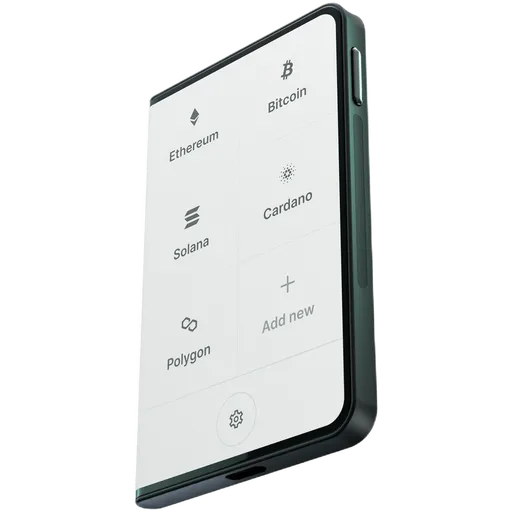
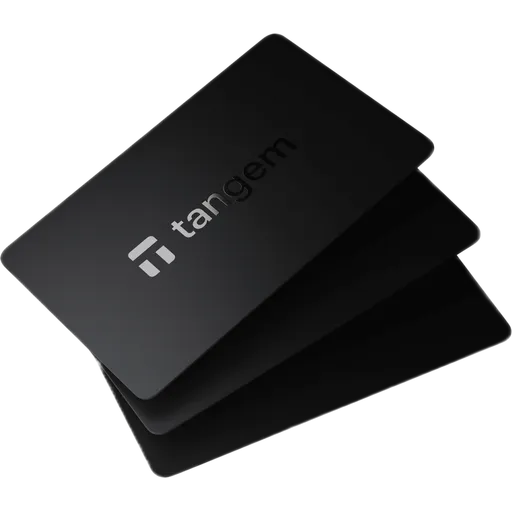
−32%via this link
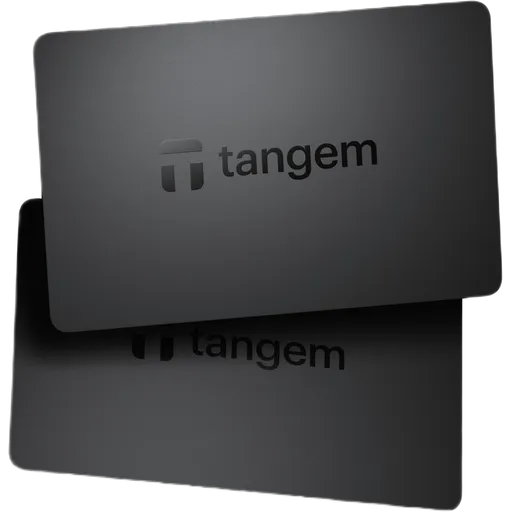
−32%via this link
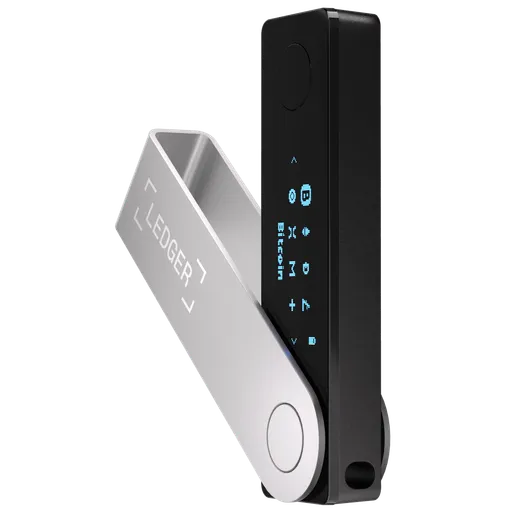
−32%via this link

−$10store sale
−$40store sale

−$49store sale

Affiliate link — we may earn a commission at no extra cost to you. Learn more about affiliate links
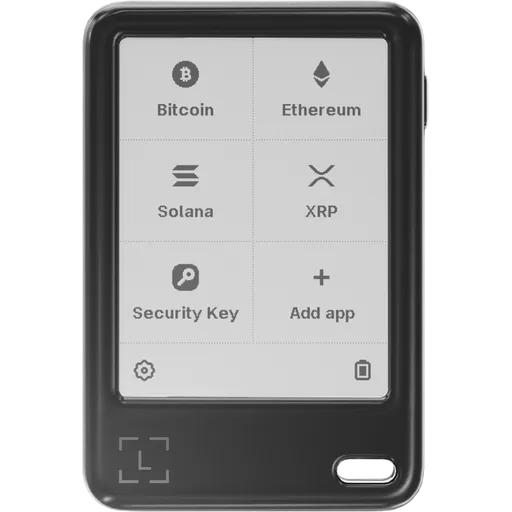
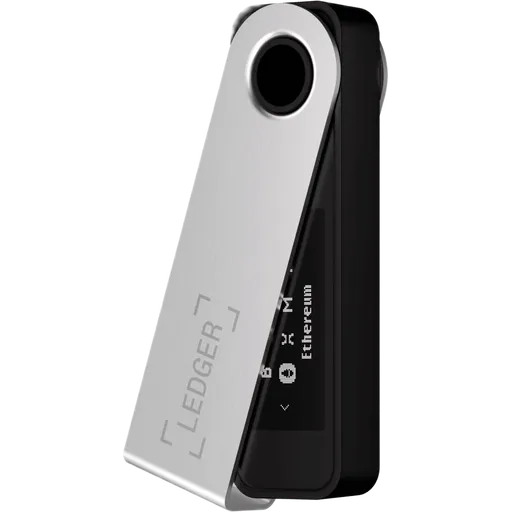
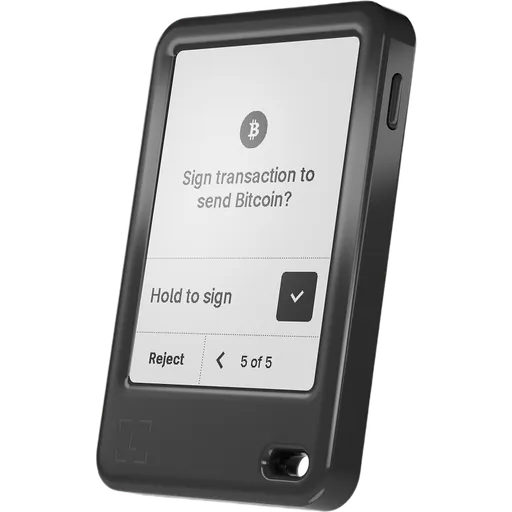
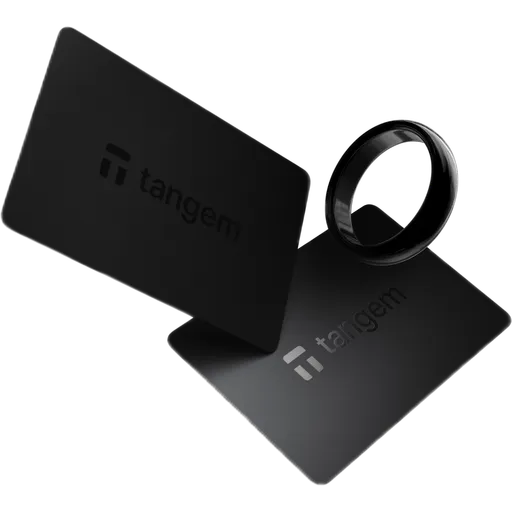
Native support: 13 of 41 wallets we have data for — Ledger Stax, Tangem Wallet (3 Cards), Ledger Nano X, Tangem Wallet (2 Cards), Ledger Nano Gen5 and 8 more.
Frequently Asked Questions
Which hardware wallets support Tezos?
Can the baker I delegate my XTZ to spend them?
No. Delegation does not hand the coins over: the XTZ stay in your account, the baker cannot move them, and you can still send them whenever you want. With a hardware wallet, the delegation operation is signed on the device and the private key stays offline.
Does my hardware wallet's Tezos support include delegation?
Not always. Support is either native, in the manufacturer's own app, or comes through a third-party Tezos wallet that uses the device as a signer. Check the manufacturer's supported-assets list to see whether delegation and Tezos tokens are covered, and not only transfers.
How do I move XTZ from an exchange to a hardware wallet safely?
Display the receiving address on the device and compare it with the one you give the exchange. Then send a small test transaction, wait until it arrives, and transfer the rest only after that. Account addresses start with tz; an address starting with KT1 belongs to a smart contract.
Ready to Choose a Secure Wallet?
Use our tools to find the right hardware wallet for your needs.