Threat Models
Understand who might target your crypto and how. Threat analysis guides with real-world attack vectors mapped to hardware wallet defenses.
A threat model answers three questions: who might target your crypto, how would they do it, and which defenses actually stop them. Without this framework, security decisions become guesswork — you either over-spend on protection you don't need, or miss the one vulnerability that matters.
These guides cover documented, real-world attack vectors — not theoretical scenarios. From evil maid attacks on unattended devices to clipboard hijacking that silently replaces wallet addresses, each guide maps a specific threat to the hardware wallet features that defend against it.
Whether you hold $500 or $500,000, your threat model determines which wallet, backup strategy, and operational practices are right for you. Start with the cold storage threat model if you're a long-term holder, or explore DeFi security if you're an active trader. Once you understand the threats, move to our security setup guides for implementation.
Hardware Wallet Threat Matrix
Real-world attack vectors ranked by risk level. Click any row to read the full guide.
| Threat | Risk |
|---|---|
| Malicious Approvals / Rug Pull | critical |
| Single Backup Compromise | high |
| On-Chain Surveillance | high |
| Clipboard Hijacking | high |
| Single Point of Failure | high |
| Evil Maid Attack | medium |
| $5 Wrench / Coercion | medium |
| Long-Term Key Degradation | medium |
| Border Seizure & Forced Unlock | medium |
Start Here: Essential Threat Models Guides
New to threat models? Begin with these foundational guides
What Is a Crypto Threat Model? A Beginner's Guide to Wallet Security
A threat model helps you identify who might target your crypto, how they could attack, and which hardware wallet defenses actually matter for your situation.
Day Trading with Hardware Wallets: Speed vs Security
Active traders need fast transactions but also security. How to balance speed and safety with hardware wallets for frequent trading.
Crypto Security During Divorce and Asset Separation
Divorce creates adversarial access scenarios. How to protect and properly disclose crypto during legal separation.
Staking Security: Threat Model for Validator and Delegator Keys
Staking locks up your crypto with validators. Slashing risks, key management, and how to stake safely with hardware wallets.
Wallets That Defend Against These Threats
Reading about threats is step one. Step two is choosing a wallet built to handle them.
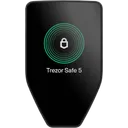

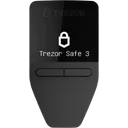
We may earn a commission if you buy through our links. This never affects our ratings.
Browse All Threat Models Content
Explore 24 guides curated for threat models
What Is a Crypto Threat Model? A Beginner's Guide to Wallet Security
beginnerA threat model helps you identify who might target your crypto, how they could attack, and which hardware wallet defenses actually matter for your situation.
Day Trading with Hardware Wallets: Speed vs Security
advancedActive traders need fast transactions but also security. How to balance speed and safety with hardware wallets for frequent trading.
Crypto Security During Divorce and Asset Separation
intermediateDivorce creates adversarial access scenarios. How to protect and properly disclose crypto during legal separation.
Staking Security: Threat Model for Validator and Delegator Keys
intermediateStaking locks up your crypto with validators. Slashing risks, key management, and how to stake safely with hardware wallets.
Shamir Secret Sharing: Advanced Seed Phrase Backup Strategy
advancedSplit your seed into shares where any 3-of-5 can reconstruct it. Shamir backup eliminates the single seed phrase risk.
Shared Family Access to Hardware Wallets
intermediateWhen family members need wallet access. How to share access securely without exposing your full holdings or seed phrase.
Showing 6 of 24 articles
Explore Other Topics
Complement your security knowledge with these related categories
Basics
Learn the fundamentals of crypto wallets and how they work.
Security
Learn how to protect your crypto assets and data.
Hardware Wallets
Learn about secure, offline storage for your crypto assets.
How We Work
Transparency is our foundation. Here's how we build our Threat Models recommendations.
Every Wallet Tested
We test every wallet we review — no pay-for-play listings.
Self-Custody Only
We only review self-custody wallets. Your keys, your crypto.
Documented Attack Vectors
Guides based on real, documented attack vectors — not hypotheticals.
Ratings Recalculated on Change
All ratings update when wallet specs change. See our open methodology.
Frequently Asked Questions
Common questions about Threat Models and hardware wallet security
What is a threat model in cryptocurrency?
What are the biggest threats to hardware wallet security?
How do I choose a hardware wallet based on my threat model?
Can a hardware wallet be compromised with physical access?
What is plausible deniability in crypto security?
Not sure which wallet fits your threat model?
Answer a few questions and get a personalized recommendation based on your security needs and budget.