9 Best Hardware Wallets for Core (2026) — Independently Ranked
Independently ranked by our open-formula algorithm across 9 wallets. Compare security, features & prices — every score is verifiable.
Key Takeaways
- Hardware wallets supporting Ethereum typically work with Core via the same account and key
- Verify your wallet's companion app has native {name} support — not all do
- Bridge transactions between L1 and {name} should always be verified on your device display
- Same private key secures assets across all EVM chains — approval hygiene is critical
Core is an EVM-compatible Layer 1 aligned with Bitcoin through its Satoshi Plus consensus, which combines delegated Bitcoin hash power with delegated proof-of-stake. CORE is the native token used for fees, staking, and governance. A hardware wallet keeps your CORE private keys offline and isolated…
 Core (CORE)
Affiliate link — we may earn a commission at no extra cost to you. Learn more
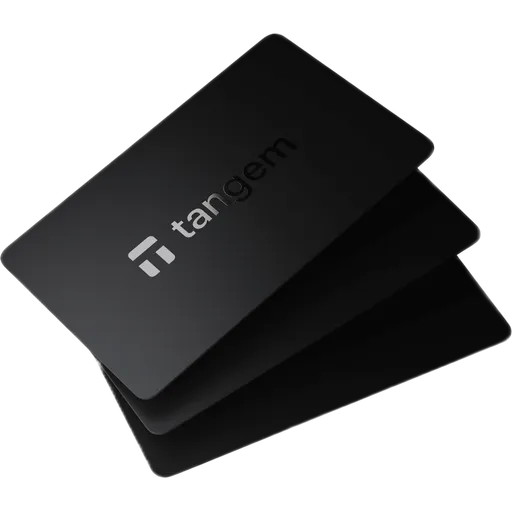
Tangem Wallet (3 Cards)
The highest-scoring wallet in this category based on our transparent algorithm.
- Secure Element
- Air-Gapped
- NFC





We evaluated 9 hardware wallets across 40+ verified specs to find the best for core devices for 2026. Each wallet is scored on security, recovery, usability, ecosystem, and privacy — using an open formula you can verify. Below: our ranked results, methodology, and a comparison table.
Open-formula ratings
verify every score yourself
Auto-updated rankings
refreshed on every data change
No pay-to-play
rankings are algorithm-driven
Why Trust This Ranking?
Most "best wallet" lists are editor picks with no formula behind them. Ours is different: a published scoring algorithm that anyone can verify, real specifications from manufacturer documentation, and zero paid placements. If our math is wrong, you can prove it — and we'll fix it.
- Specifications sourced from official manufacturer documentation
- Published scoring formula — not subjective editor picks you can't verify
- No wallet manufacturer can pay for a higher score
Quick Comparison
Compare & decide
Rankings last updated September 14, 2026
Sortable — compare every wallet on price, secure element, air-gap, supported chains and connections.
How these wallets support Core
Native means the wallet's own app manages CORE directly. Third-party means you pair it with an external wallet interface.
- Tangem Wallet (3 Cards)Native support
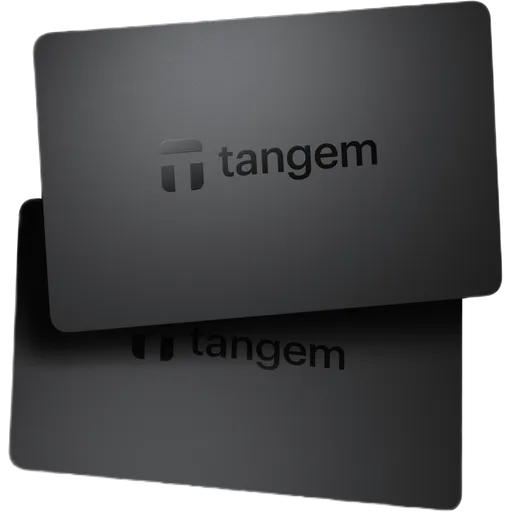
- Tangem Wallet (2 Cards)Native support
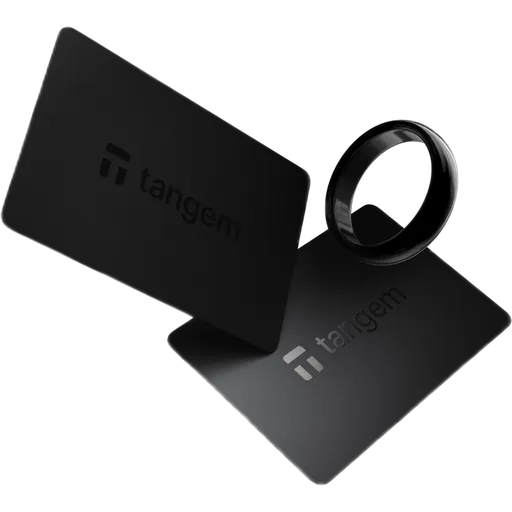
- Tangem RingNative support
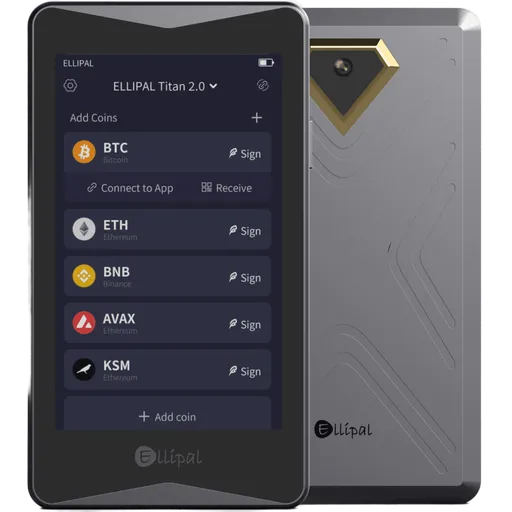
- Ellipal Titan 2Native support
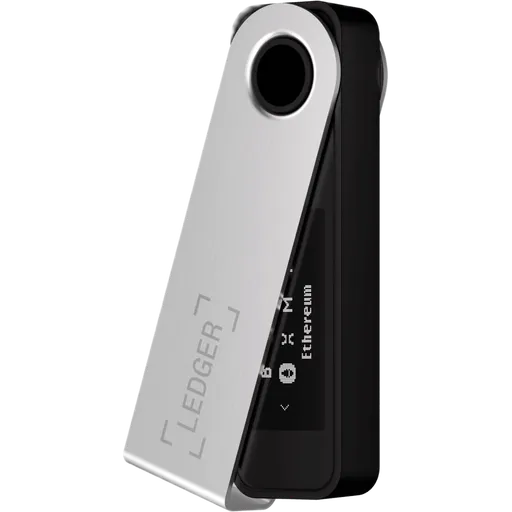
- Ledger Nano Gen5Third-party
- Ledger Nano S PlusThird-party
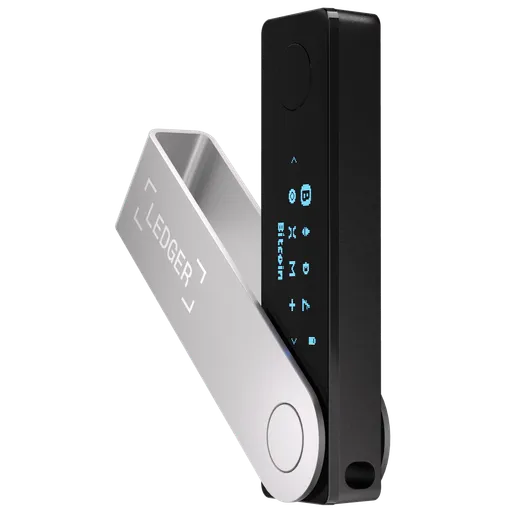
- Ledger Nano XThird-party
- Ledger StaxThird-party
- Ledger FlexThird-party
Not sure which wallet is right for you?
Answer a few quick questions and get filtered results matched to your criteria.
How We Rank
Our rankings are generated by a transparent, open-formula algorithm. No pay-to-play, no hidden factors.
Scoring Methodology
Ranked for Core (CORE): wallets with native CORE integration rank first (4 of 9 here), then by overall rating — a weighted average of security (30%), recovery (20%), usability (20%), ecosystem (15%), and privacy (15%).
Why This Ranking Matters
Core is an EVM-compatible Layer 1 aligned with Bitcoin through its Satoshi Plus consensus, which combines delegated Bitcoin hash power with delegated proof-of-stake. CORE is the native token used for fees, staking, and governance. A hardware wallet keeps your CORE private keys offline and isolated from internet-connected devices, protecting against exchange failures, malware, and phishing. Below we rank the wallets that support Core by security, recovery, usability, ecosystem, and privacy, and flag which offer native integration versus third-party support — so you can match a device to how you hold CORE.
How to Choose a Hardware Wallet
Key factors to consider before buying
Check for native Core support
Not all hardware wallets display Core balances natively. Some require connecting through MetaMask or another interface. Native support provides the best experience.
Verify bridge transactions carefully
Bridge contracts move assets between networks. Always review the full transaction on your hardware wallet's screen before signing. Never approve blind-signed bridge transactions.
As an EVM-compatible chain, Core shares Ethereum's address format and transaction signing mechanism. This means your hardware wallet's Ethereum account can interact with Core — but the companion app experience varies significantly between devices.
Verify explicit Core support. Some hardware wallets support Core natively in their companion app, showing balances and enabling direct transactions. Others require you to connect through a third-party interface like MetaMask. Native support provides a smoother experience.
Bridge security matters. If you move assets between Ethereum and Core, your hardware wallet protects the signing of bridge transactions. Always verify bridge contract details on your hardware wallet's display before confirming — bridge exploits are among the most common attack vectors in crypto.
Same key, different networks. Your hardware wallet generates the same address across all EVM chains. This simplifies management but means a compromised approval on one chain can affect assets on another. Practice good approval hygiene: revoke unused token approvals and verify every transaction on your device screen.
Related Categories
Frequently Asked Questions
Do hardware wallets support Core?
Most hardware wallets that support Ethereum can interact with Core since it uses the same EVM address format and transaction signing. However, the level of native support in companion apps varies. Check individual wallet reviews for confirmed Core compatibility.
Is my crypto safe on Core with a hardware wallet?
Yes — your private keys remain on the hardware device regardless of which EVM network you use. The hardware wallet signs transactions for Core the same way it does for Ethereum. Your assets are protected as long as you verify every transaction on the device display.
Find Your Perfect Hardware Wallet
Compare wallets side by side • Independent expert ratings • Transparent ranking algorithm
Try Wallet Finder