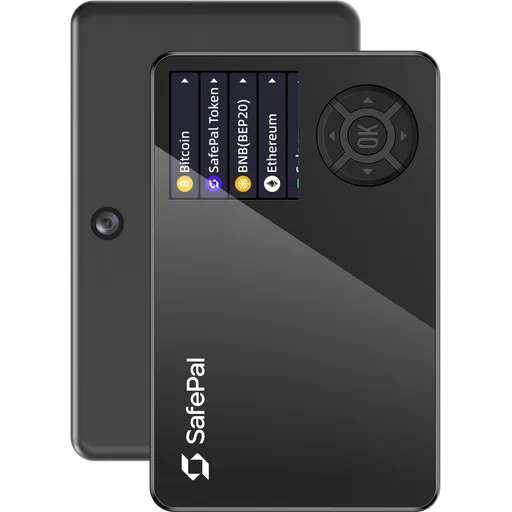
Secure ElementQR200+ networks
Keystone Pro 3 vs Ledger Nano X vs SafePal X1
Comparing 3 wallets: Keystone Pro 3 (81/100, $149), Ledger Nano X (75/100, $149), and SafePal X1 (65/100, $69.99). Prices range from $69.99 to $149.
3 wallets
Open-source vs Closed
$79 price gap
Quick VerdictUpdated 2026
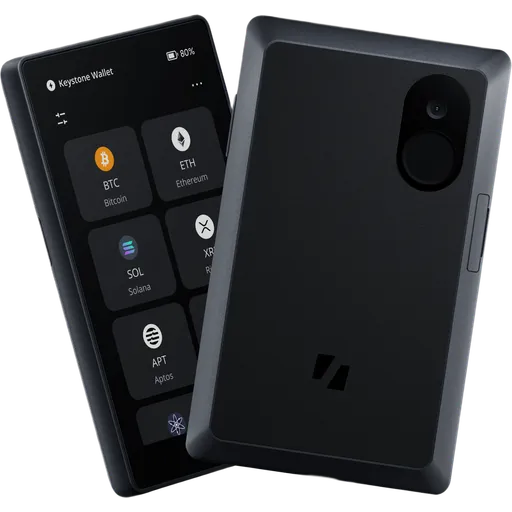
Keystone Pro 3
Best overall
$149
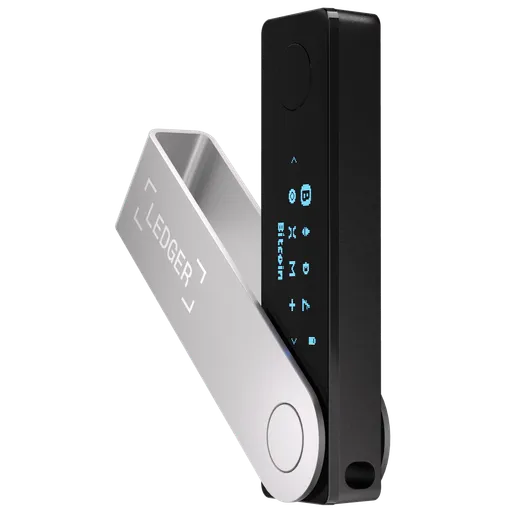
Ledger Nano X
Ledger
$149
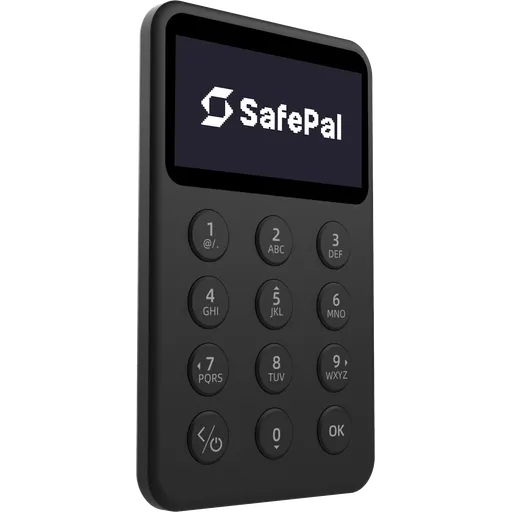
SafePal X1
Best value
$69.99
Key Takeaways
- Keystone Pro 3 wins in security (100/100)
- Ledger Nano X wins in ease of use (74/100)
- SafePal X1 is more affordable ($69.99)
- Both support 41+ cryptocurrencies
- Best for beginners: SafePal X1 (easier setup)
Keystone Pro 3 vs Ledger Nano X vs SafePal X1: Key Differences
Picking between 3 hardware wallets (Keystone Pro 3 vs Ledger Nano X vs SafePal X1) usually comes down to a handful of trade-offs, not a single winner. Prices run from $69.99 to $149; overall scores from 65 to 81/100 — and the spread tells a story. Here's where each one earns its keep, and where it falls short.
Detailed Pair Comparisons:
Winner by Category
Which wallet leads in each area
Security
Keystone Pro 3Winner100/100
Ledger Nano X93/100
SafePal X177/100
Ease of Use
Keystone Pro 367/100
Ledger Nano XWinner74/100
SafePal X156/100
Price
Keystone Pro 3$149
Ledger Nano X$149
SafePal X1Winner$69.99
Coin Support
Keystone Pro 341+
Ledger Nano X70+
SafePal X1Winner200+
Privacy
Keystone Pro 3Winner79/100
Ledger Nano X42/100
SafePal X153/100
Beginner Friendly
Keystone Pro 367/100
Ledger Nano XWinner74/100
SafePal X156/100
Comparing:
Keystone Pro 3
Ledger Nano X
SafePal X1
Comparison Table
Key specifications for your decision
| Criteria | Keystone Pro 3 Keystone $149 | Ledger Nano X Ledger $149 | SafePal X1 $69.99 |
|---|---|---|---|
Overall Rating | 81 | 75 | 65 |
Security | 100 | 93 | 77 |
Usability | 67 | 74 | 56 |
Price | $149 | $149 | $69.99 |
EAL Certification (Evaluation Assurance Level) from Common Criteria rates the security of hardware components, like secure chips in crypto hardware wallets. Higher levels, such as EAL5+ or EAL6+, indicate stronger resistance to attacks. Learn more | Yes | Yes | Yes |
Open Source Firmware refers to firmware in hardware devices, like wallets, where the source code is publicly available, allowing transparency, auditability, and customization. Learn more | Yes | No | Yes |
Bluetooth Connectivity enables wireless communication between devices, like hardware wallets and smartphones, using Bluetooth or Bluetooth Low Energy (BLE) for secure data transfer. Learn more | No | Yes | Yes |
USB | Yes | Yes | Yes |
Networks | 41+ | 70+ | 200+ |
A passphrase is an additional security layer for cryptocurrency wallets, acting as a 25th word in the BIP39 seed phrase, protecting access to hidden wallets. Learn more | Yes | Yes | Yes |
A touchscreen display is a screen that allows users to interact with a device by touching the surface, commonly used in hardware wallets for easy navigation and transaction confirmation. Learn more | LCD Color Touchscreen | OLED | LCD |
Recovery is the process of restoring access to a cryptocurrency wallet using its seed phrase or mnemonic backup if the original wallet is lost or inaccessible. Learn more | Multi-card | 24-word seed | 24-word seed |
Setup Time | ~15 min | ~12 min | ~10 min |
IP Rating refers to the level of protection a device has against dust and water, often used for hardware wallets to indicate their durability in various environments. Learn more | None | None | None |
Our Verdict: Keystone Pro 3 vs Ledger Nano X vs SafePal X1
Choose Keystone Pro 3 if...
- You want advanced backup with Shamir Secret Sharing
- You prefer seedless backup via multiple linked cards
- You prefer USB-only connection for maximum security
- You run your own Bitcoin full node
Skip Keystone Pro 3 if...
- ×Budget is tight — you'd be better served by a cheaper option in this comparison
- ×You hold a wide range of altcoins beyond what this device supports (41 networks)
Choose Ledger Nano X if...
- You trust third-party audits (Ledger internal + ANSSI CSPN) over open-source review
- You are comfortable managing a seed phrase
Skip Ledger Nano X if...
- ×Open-source firmware is non-negotiable for you
- ×Budget is tight — you'd be better served by a cheaper option in this comparison
- ×You hold a wide range of altcoins beyond what this device supports (70 networks)
Choose SafePal X1 if...
- You are comfortable managing a seed phrase
- You want to save $79 without sacrificing core security
Skip SafePal X1 if...
- ×You want Shamir Secret Sharing for split, geographically distributed backups
- ×You want a seedless backup design instead of a 12/24-word phrase
Our pick for most users
Based on the overall rating, Keystone Pro 3 scores 81/100 and offers the best balance of security, usability, and value in this comparison.
Bottom line: Keystone Pro 3 is the safer bet on security; day to day, Ledger Nano X is the easier driver. If budget is real, SafePal X1 comes in $79 cheaper without giving up the basics.
Price: Keystone Pro 3 vs Ledger Nano X vs SafePal X1
Prices range from $69.99 (SafePal X1) to $149 (Ledger Nano X). The extra cost of Ledger Nano X gets you a 10-point higher overall rating. For budget buyers, SafePal X1 offers solid security at a lower price point.
Who Should Pick Which Wallet
Recommendations based on real-world use cases
Keystone Pro 3
$149Built-in batteryCoin controlFull node supportWalletConnect support
Pros
- +EAL5+ secure element with open, reproducible firmware builds
- +Air-gapped QR-only signing eliminates all USB attack surfaces
- +4-inch color touchscreen — largest display in its class
- +SLIP39 Shamir Secret Sharing splits seed across multiple shares
Cons
- −No Bluetooth or NFC — mobile use requires QR scanning only
- −Secure element chip manufacturer is undisclosed, limiting full auditability
- −Polycarbonate/ABS body lacks the metal construction of competitors like Coldcard
- −
Ledger Nano X
$149Built-in batteryCoin controlWalletConnect supportAndroid support
Pros
- +CC EAL5+ certified ST33J2M0 secure element isolates private keys from host
- +Bluetooth LE enables air-gapped-style mobile signing without USB tethering
- +Supports 5,500+ tokens across 50+ networks — broadest coverage in its class
- +24-word BIP39 seed with optional passphrase adds plausible-deniability layer
Cons
- −
- −No Shamir Secret Sharing; single 24-word seed is the only backup mechanism
- −Bluetooth attack surface is a real concern absent in USB-only rivals like Coldcard
- −2023 Recover service exposed that seed <em>can</em> be extracted via firmware update
SafePal X1
$69.99AffordableBuilt-in batteryCoin controlWalletConnect support
Pros
- +EAL5+ certified secure element resists physical tampering attacks
- +Open-source firmware allows independent community code audits
- +Supports 200+ blockchain networks, covering most major ecosystems
- +Bluetooth connectivity enables wireless signing without USB dependency
Cons
- −No NFC or QR-based air-gap signing; Bluetooth is the only wireless mode
- −Reproducible builds not supported, limiting full firmware verification
- −Shamir Secret Sharing absent, restricting advanced seed backup schemes
- −Plastic casing offers no water resistance, unlike metal-bodied competitors
Best for These Profiles
Pre-Purchase Checklist
Important points to verify regardless of your choice
All wallets ship from official manufacturer stores with full warranty.
Keystone Pro 3 vs Ledger Nano X vs SafePal X1: Frequently Asked Questions
Answers about Keystone Pro 3 vs Ledger Nano X vs SafePal X1
Is Keystone Pro 3 better than Ledger Nano X?
On the numbers, Keystone Pro 3 comes out ahead — 81/100 vs 75/100 — but 'better' isn't quite the right frame. Ledger Nano X is easier to use (74/100 usability), which matters more for some buyers than overall score does. If overall rating is what you actually weigh first, take Keystone Pro 3. If ease of use is the constraint that shapes your decision, Ledger Nano X is the smarter buy. Either way, both are real hardware wallets — neither is a mistake.
How much do Keystone Pro 3 and Ledger Nano X and SafePal X1 cost?
Keystone Pro 3 costs $149, Ledger Nano X costs $149, SafePal X1 costs $69.99. These are list prices for the standard edition from official manufacturer stores. A few things worth knowing: hardware wallet prices barely move during the year, so 'waiting for a sale' rarely pays off — Black Friday is the one exception, with 10–20% off being typical. Avoid third-party listings even if they're cheaper; the supply chain risk on a tampered device wipes out any savings the first time you load funds. And don't buy a 'used' hardware wallet, ever — even if it claims to be reset.
What happens if I lose all my Keystone Pro 3 cards?
Funds are unrecoverable. There's no seed phrase to fall back on, no recovery service, no manufacturer override — that's the explicit design trade-off. The mitigation is the multi-card set: every card you receive is a complete, independent backup of the same wallet. Realistic plan: keep one card on you, one at home in a safe, and one with a trusted person or in a bank deposit box. Lose any two and you're still fine. Lose all of them and the coins are gone forever.
Which wallet is better for DeFi and Web3: Keystone Pro 3 or Ledger Nano X?
Keystone Pro 3 — and the gap is bigger than the spec sheets make it look. Keystone Pro 3 has WalletConnect built in, which means you sign DeFi transactions directly from a hardware wallet without exposing keys to a hot wallet. Ledger Nano X can technically work with DeFi via third-party software, but every extra step is one more place an attacker can intercept the transaction you're approving. If you're going to be clicking 'Sign' on smart contracts more than once a month, the difference compounds fast.
Keystone Pro 3 vs Ledger Nano X: which has better backup options?
Keystone Pro 3 uses multiple linked NFC cards as encrypted backups (no seed phrase). Ledger Nano X uses a standard 24-word seed phrase. Both work — but they reflect different ideas about what 'backup' should be. The seed phrase approach (BIP-39) is the open industry standard: portable across most wallets, well-documented, and recoverable on any compatible device. The downside is well-known too — it's a piece of paper that's a single photograph or careless moment away from disaster. Card-based backups can't be photographed and don't write themselves down, but they're proprietary, which means you trust one manufacturer to stay in business and keep the format alive. Pick based on which failure mode worries you more.
Is Keystone Pro 3 more secure than Ledger Nano X because it's open-source?
Not automatically — and this is a more nuanced question than the marketing suggests. Open-source (Keystone Pro 3) lets anyone (researchers, hobbyists, paranoid users) read the firmware and verify there are no backdoors. That's the strongest possible trust signal. Ledger Nano X keeps source code private but compensates with paid third-party audits from Ledger internal + ANSSI CSPN and certifications like CC EAL5+/EAL6+ on the secure element. Open-source is the more transparent posture; audited closed-source can still be cryptographically airtight. Our honest take: if open-source is the deciding factor for you philosophically, pick Keystone Pro 3 — but don't dismiss Ledger Nano X as 'less secure' purely on that basis.
Where to buy Keystone Pro 3 at the best price?
Always buy Keystone Pro 3 from the official Keystone store — never from Amazon, eBay, or third-party marketplaces, even if the price looks better. Hardware wallets have been physically tampered with in the supply chain before (compromised devices shipped to unsuspecting buyers, then drained the moment funds were loaded). Buying direct from Keystone gets you a sealed unit with full warranty, firmware integrity, and a clean chain of custody. Free shipping and occasional discounts at the source make the price difference negligible anyway.
Do Keystone Pro 3 and Ledger Nano X come with a warranty?
Yes — both ship with a manufacturer warranty (typically 1–2 years) when bought from the official store. That said, a hardware wallet warranty is mostly about hardware defects, not lost funds. If the device fails, the manufacturer will replace it — but your seed phrase or backup cards are what actually restore your crypto onto the new device. The warranty is real but secondary; what protects your funds is your backup discipline, not a piece of paper from {{wallet1}} or {{wallet2}}.
Made your decision?
Check out full reviews or find the best price from official vendors.
View best priceAffiliate link — we may earn a commission at no extra cost to you. Learn more
Not convinced? Consider these alternatives
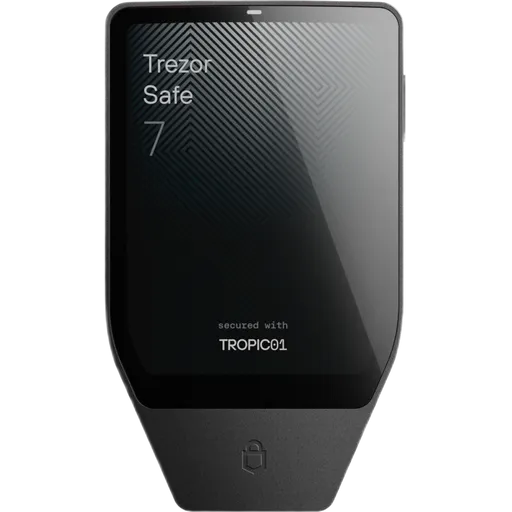
Secure ElementOpen SourceUSBBT50+ networks
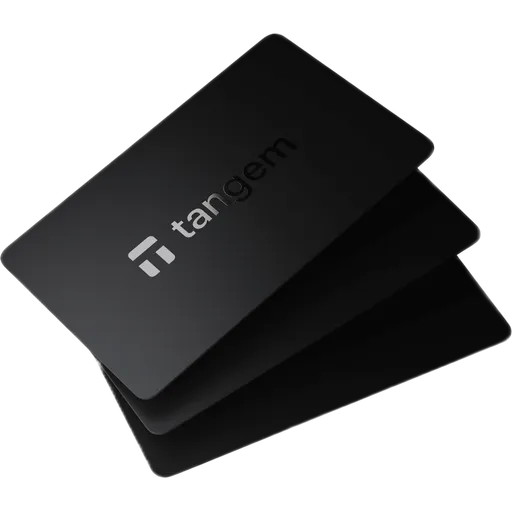
Secure ElementOpen SourceNFC85+ networks
More Comparisons
Compare Keystone Pro 3 with other wallets
Official store
Keystone Pro 3$149 · 81/100
Ledger Nano X$149 · 75/100
SafePal X1$69.99 · 65/100
Affiliate link — we may earn a commission at no extra cost to you. Learn more