Key Takeaways
- Keycard has open-source firmware; Ledger uses proprietary code
- Ledger has longer track record (since 2014)
- Ledger offers more wallet choices (5 models)
- Top-rated model: Ledger Stax (71/100, $399)
Keycard vs Ledger: Brand Overview
Keycard and Ledger represent two fundamentally different approaches to hardware wallet design and security philosophy. Keycard, founded in 2019, has developed a lineup of 1 wallet models targeting different user needs. Ledger, established in 2014, offers 5 models in its current portfolio. This comparison analyzes both brands across the dimensions that matter most to crypto holders: security architecture, open-source transparency, supported cryptocurrencies, pricing, and long-term reliability. Our analysis is based on 40+ independently verified specifications — no opinions, just verifiable data. Read on for a detailed breakdown to help you make an informed choice.
Specs verified October 27, 2026 ·
This page compares Keycard and Ledger as brands — their philosophy, track record, and product lineups. For head-to-head comparisons of specific wallet models, see the links below.
Compare Specific Models
Looking for a head-to-head comparison of specific wallets?
Quick Verdict: Keycard vs Ledger

Choose Keycard if you need:
- transparency and auditability

Choose Ledger if you need:
- time-tested reliability
- choice for different needs
Both brands make reliable hardware wallets. Your choice depends on whether you prioritize transparency and auditability (Keycard) or time-tested reliability (Ledger).
Keycard
Keycard builds open-source signing hardware: smart cards with a Common Criteria EAL6+ secure element, and the Keycard Shell, an air-gapped QR signer that keeps every private key on a removable card. Its devices support Bitcoin and Ethereum/EVM networks only.
Ledger
Ledger is a French hardware wallet maker founded in 2014. Its five current models range from the USB-only Nano S Plus at $69 to the Stax at $399, and each stores keys in an STMicroelectronics secure element. The Ledger Wallet app is open source; Ledger OS, the device firmware, is not.
Top Models: Keycard vs Ledger Compared
Best wallets from each brand (by rating)
Comparison Table
Key specifications for your decision
| Criteria |  Keycard Shell Keycard $129 | 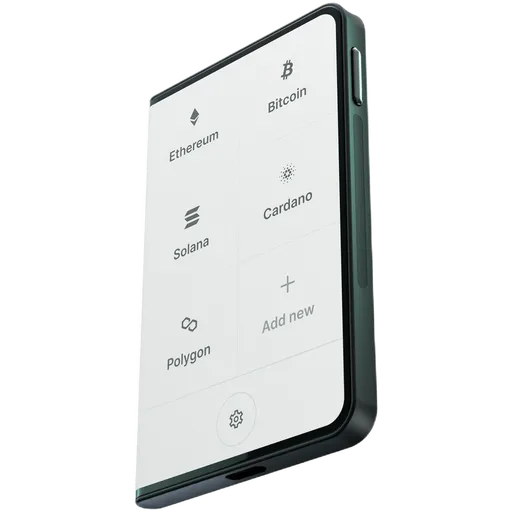 Ledger Stax Ledger $399 | 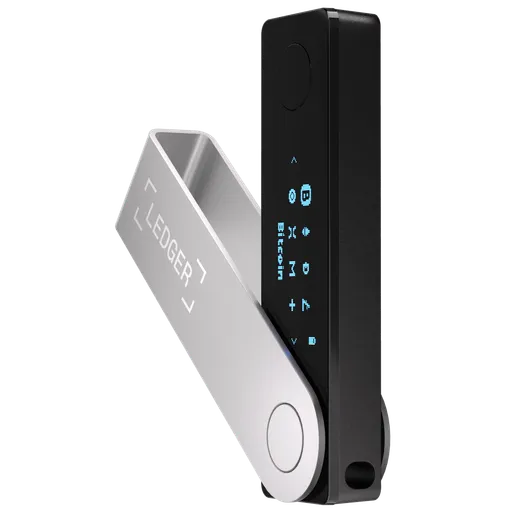 Ledger Nano X Ledger $99 |
|---|---|---|---|
Overall Rating | 66 | 71 | 69 |
Security | 87 | 83 | 79 |
Usability | 60 | 66 | 66 |
Price | $129 | $399 | $99 |
Secure Element | Yes | Yes | Yes |
Open Source | Firmware | Firmware, in part | Firmware, in part |
Bluetooth | No | Yes | Yes |
USB | Yes | Yes | Yes |
Networks | 2+ | 100+ | 100+ |
Passphrase | Yes | Yes | Yes |
Display | 2.0" TFT IPS Colour, 240x320, Adjustable Brightness | Curved E Ink Touchscreen, 16 Grayscale, 400 X 670 Px | Monochrome OLED, 128 X 64 Px |
Backup Method | 24-word + Shamir | 24-word seed | 24-word seed |
Setup Time | ~15 min | ~15 min | ~12 min |
Water Resist | None | None | None |
About Selection
The table shows top 2 models from each brand with the highest overall rating. This allows comparing the best offerings from each manufacturer.
Price Comparison: Keycard vs Ledger
Price ranges and value for money
Keycard or Ledger: Our Recommendations
Recommendations based on brand philosophy and products
Keycard
Best for: transparency and auditability
- Open-source philosophy
- Limited model selection
Affiliate link — we may earn a commission at no extra cost to you. Learn more
Ledger
Best for: time-tested reliability, choice for different needs
- Long market presence
- Wide product lineup
- Closed-source approach
Affiliate link — we may earn a commission at no extra cost to you. Learn more
Keycard vs Ledger: In-Depth Analysis
Is Keycard or Ledger More Secure?
Keycard offers open-source firmware, giving the community full visibility into its code. Ledger takes a proprietary approach, relying on third-party security audits instead. Neither approach is inherently better — open-source enables community verification, while proprietary code can offer other protections. The right choice depends on how much you value code transparency.
Keycard vs Ledger: Which Is Better for Beginners?
For beginners, the key factors are ease of setup, companion app quality, and educational resources. Keycard offers 1 models starting at $129, while Ledger starts at $69. A lower entry price doesn't always mean a better beginner experience — consider screen size, mobile app support, and the breadth of setup guides when making your decision.
What Does the Crypto Community Think About Keycard vs Ledger?
Community opinions vary based on individual priorities. Security-focused users tend to favor brands with open-source firmware and proven track records. Budget-conscious users compare entry-level pricing. Our ratings aggregate 40+ objective specifications rather than subjective opinions — check our methodology page for the full scoring breakdown.
Brand Selection Checklist
Important points to verify before making your purchase
Ready to buy? Check all items first
Keycard vs Ledger: Frequently Asked Questions
Answers about Keycard vs Ledger
Which is better: Keycard or Ledger?
Which brand is more secure: Keycard or Ledger?
Is Keycard a trustworthy hardware wallet brand?
Is Ledger a trustworthy hardware wallet brand?
How many wallets does Keycard vs Ledger offer?
Is Keycard open-source?
Is Ledger open-source?
How much do Keycard and Ledger wallets cost?
More Comparisons
Compare Keycard with other brands


Ready to Protect Your Crypto?
Buy directly from the official manufacturer store — guaranteed authentic device.